Some of our 2024 Speakers















BBC is Live in Florida!
2024's Theme: Igniting Your Potential
Building Business Capability is the only conference that enhances your ability to advance People, Product, Data, and Knowledge, to build your core leadership skills, to create a customer centric organization, and to deliver digital transformation.
Partners








Some figures
for your information
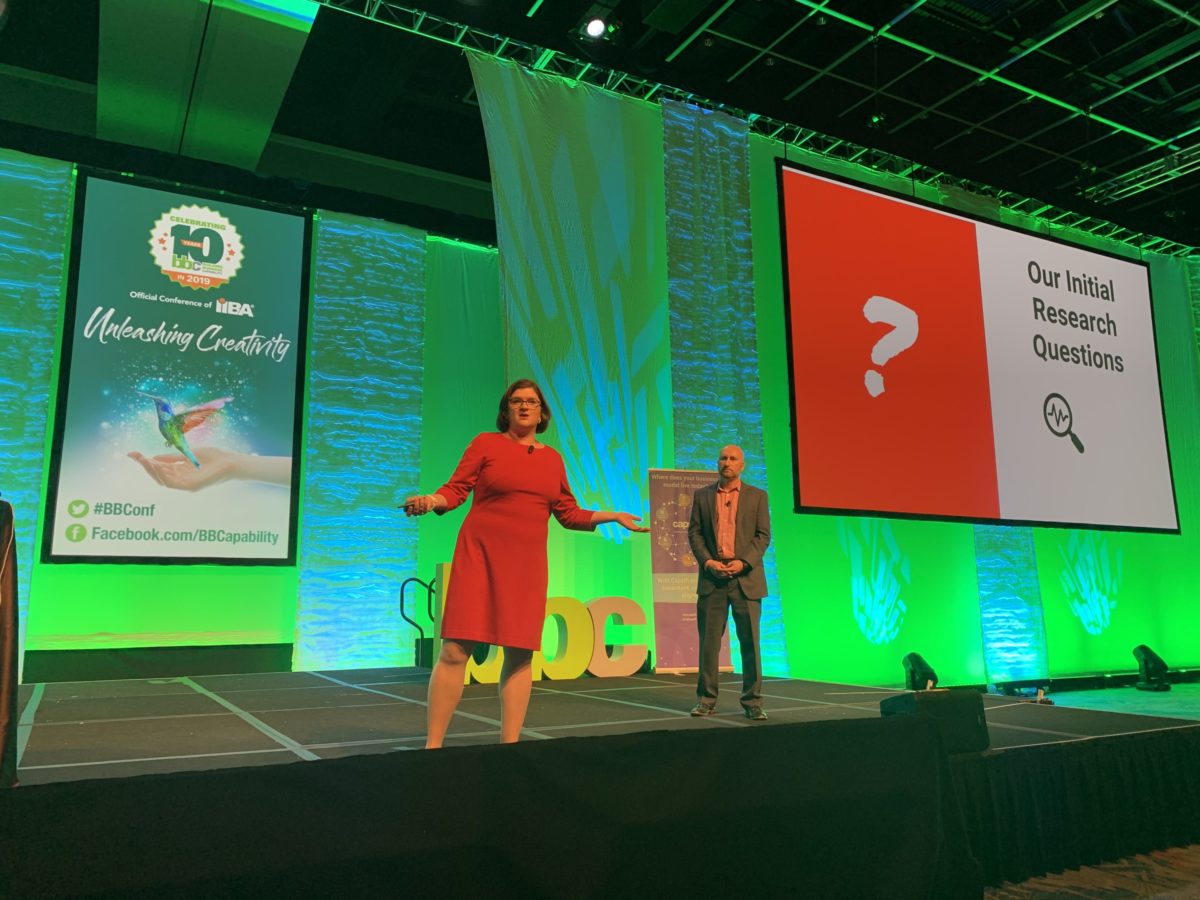
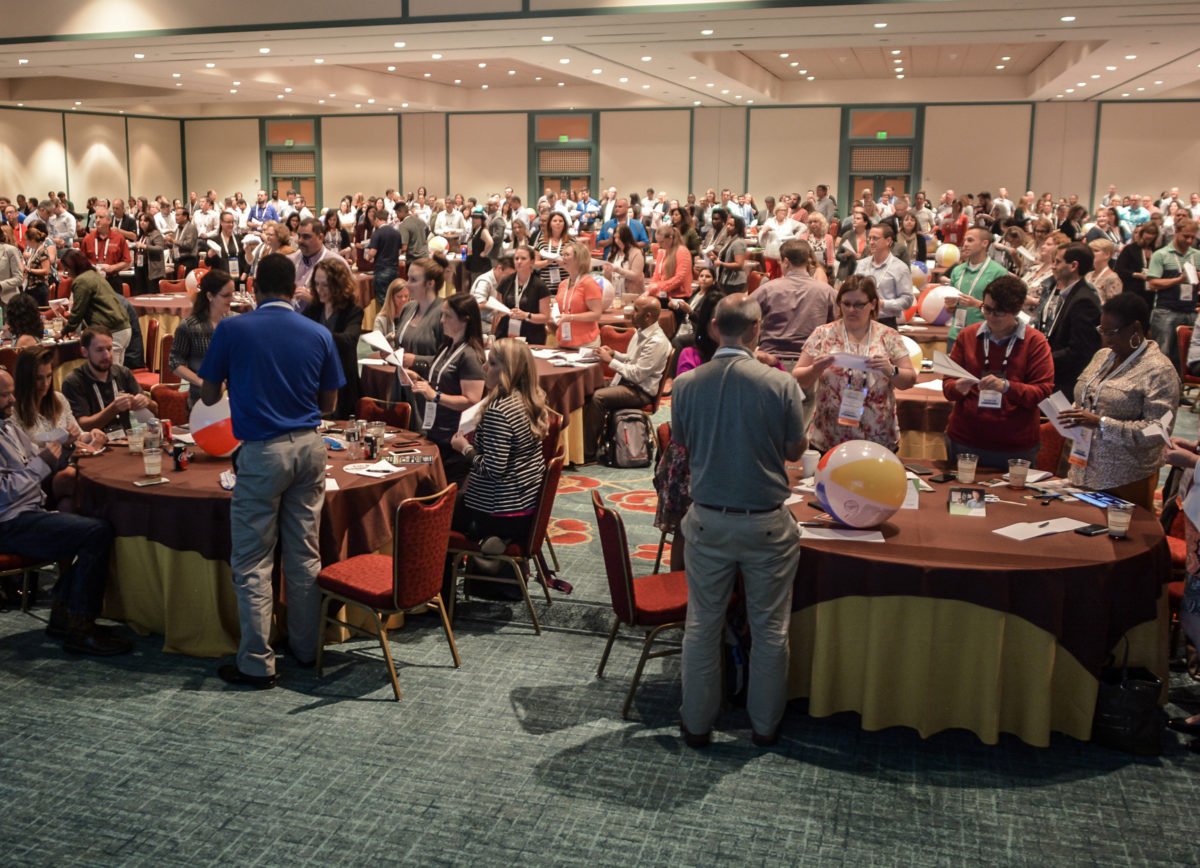
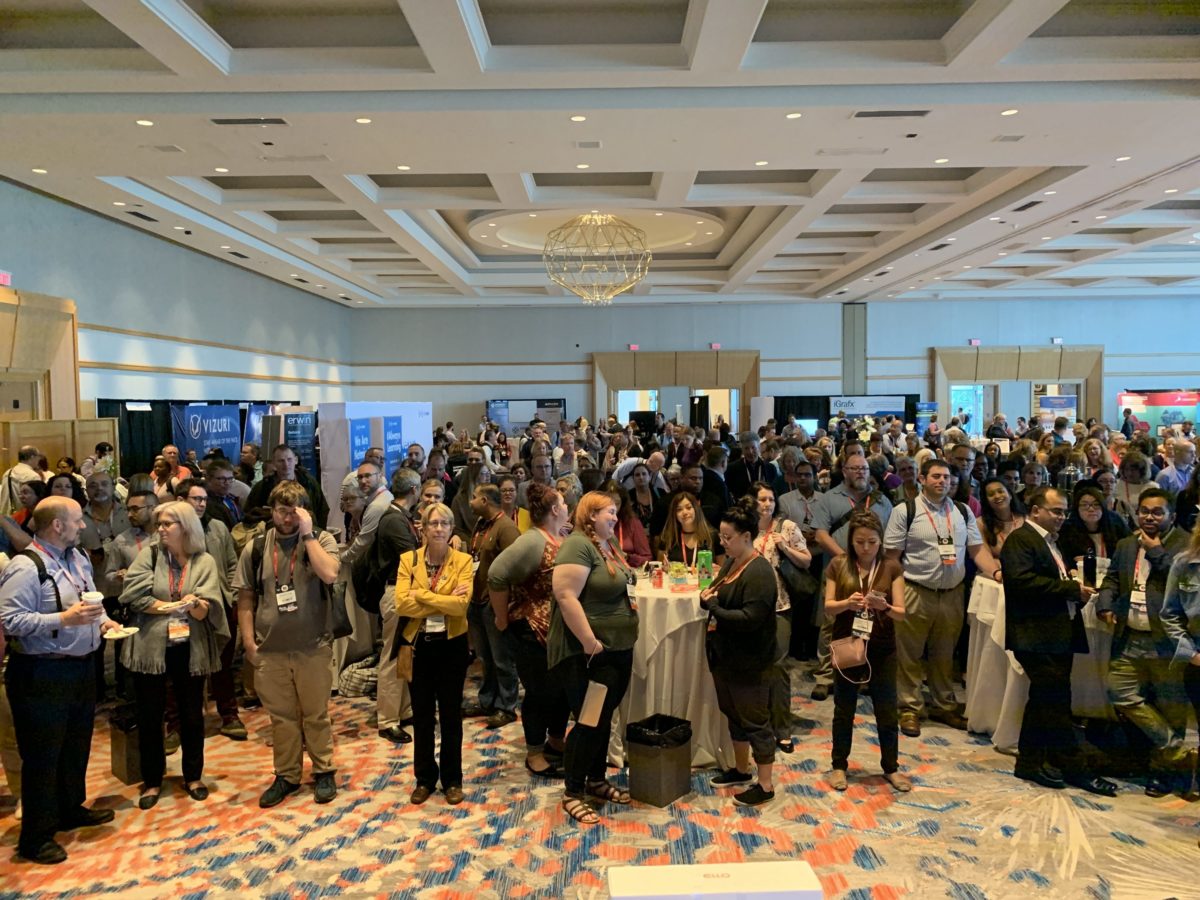
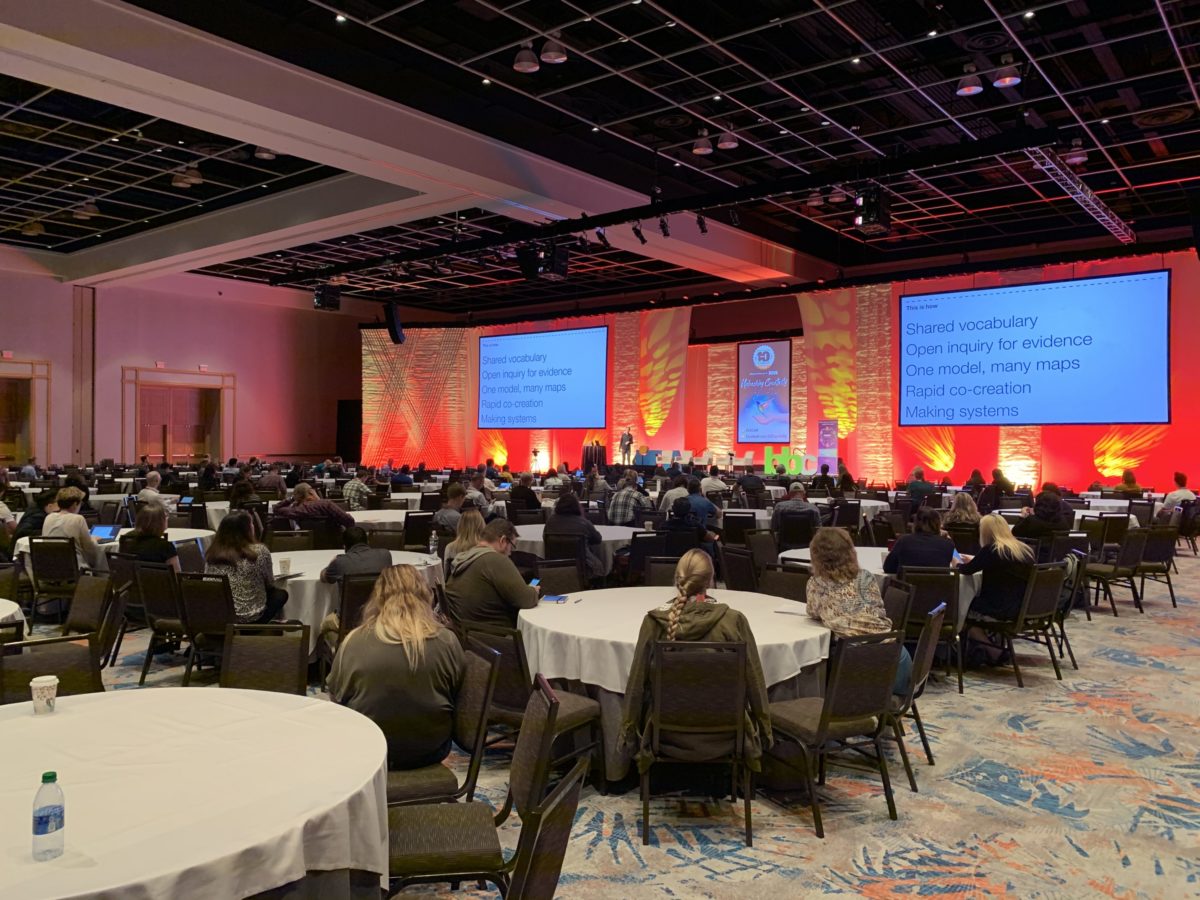
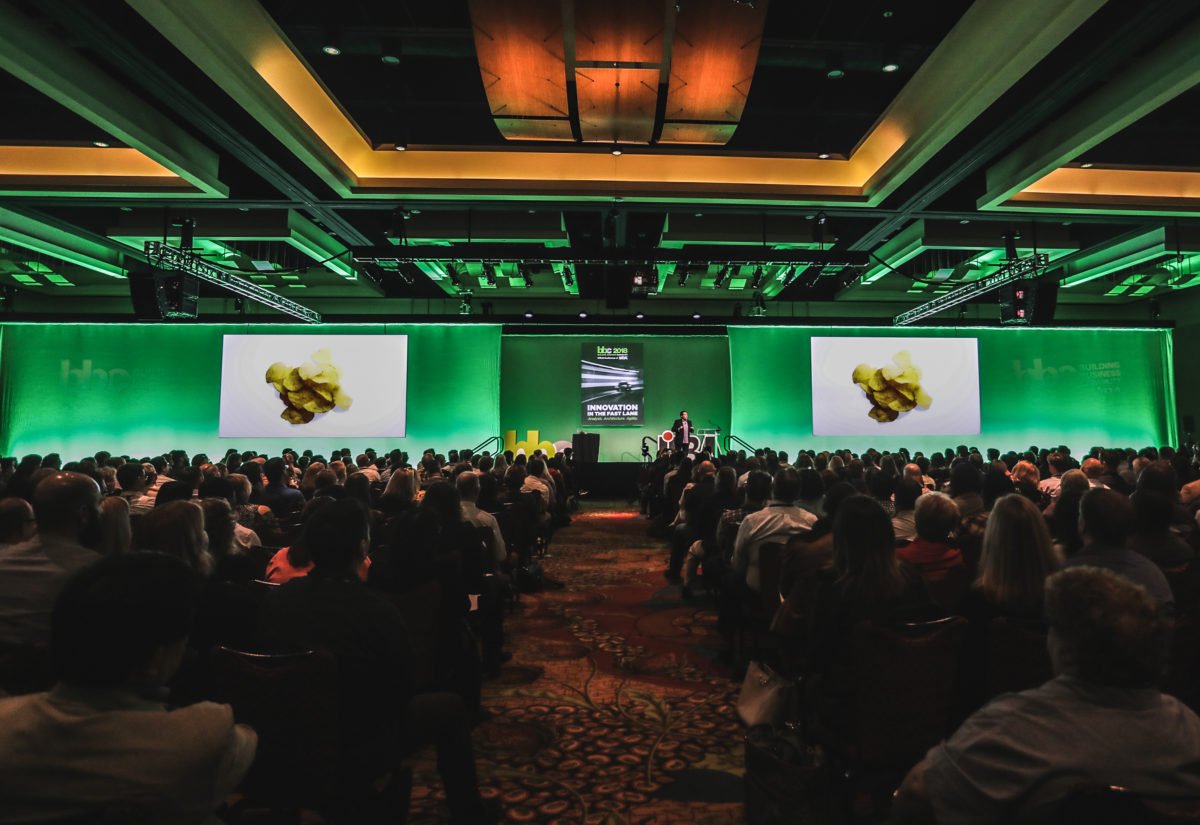
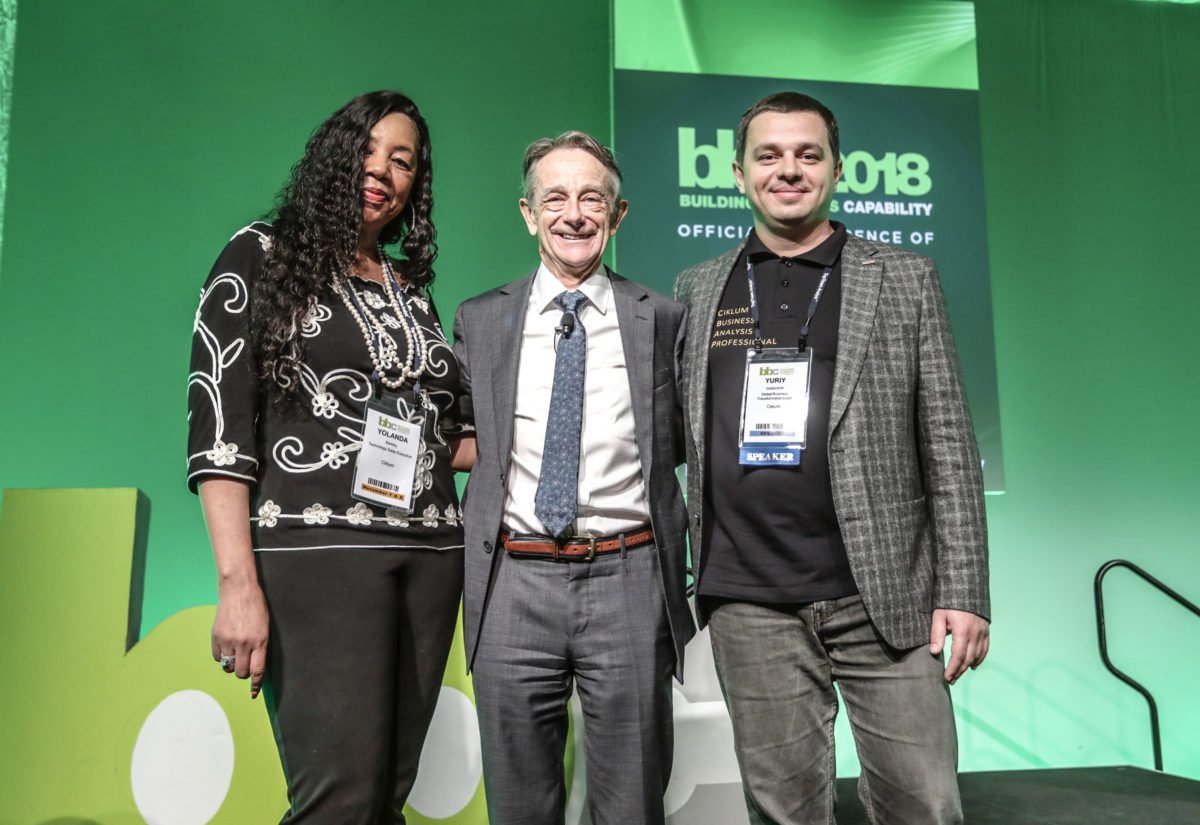
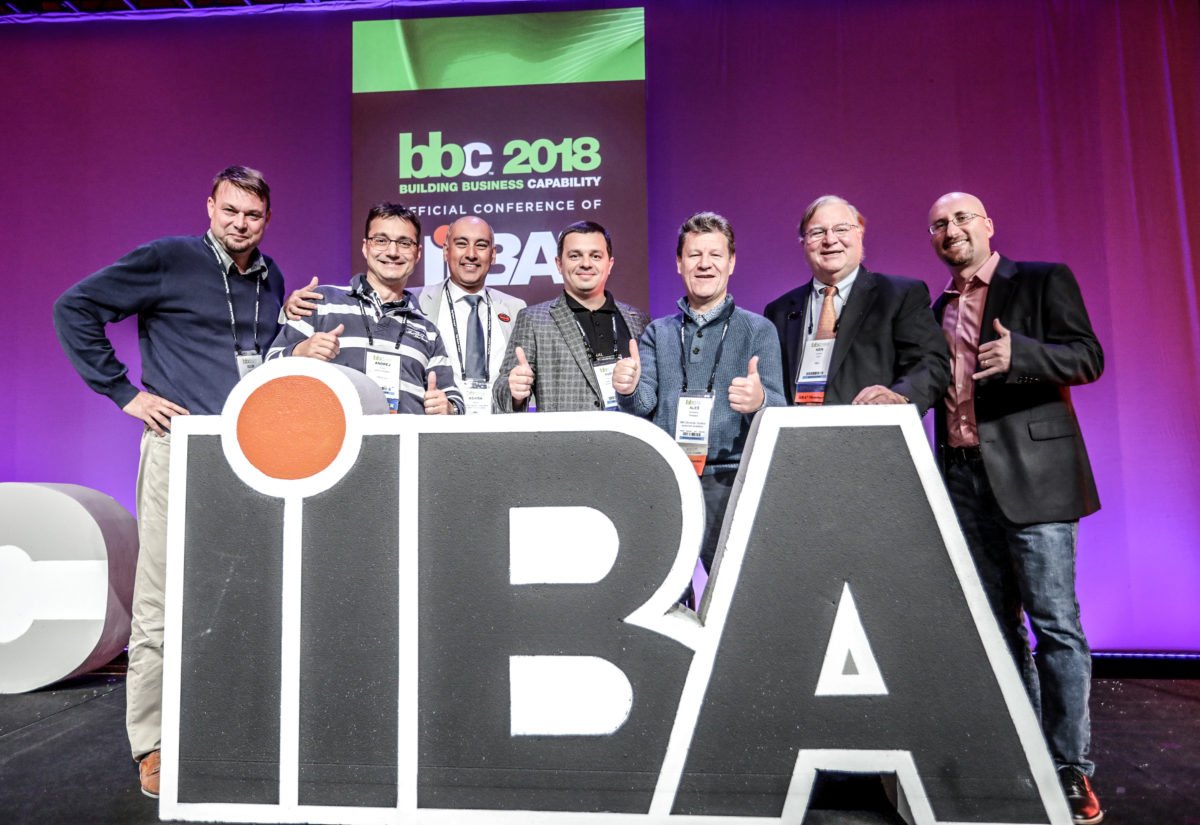
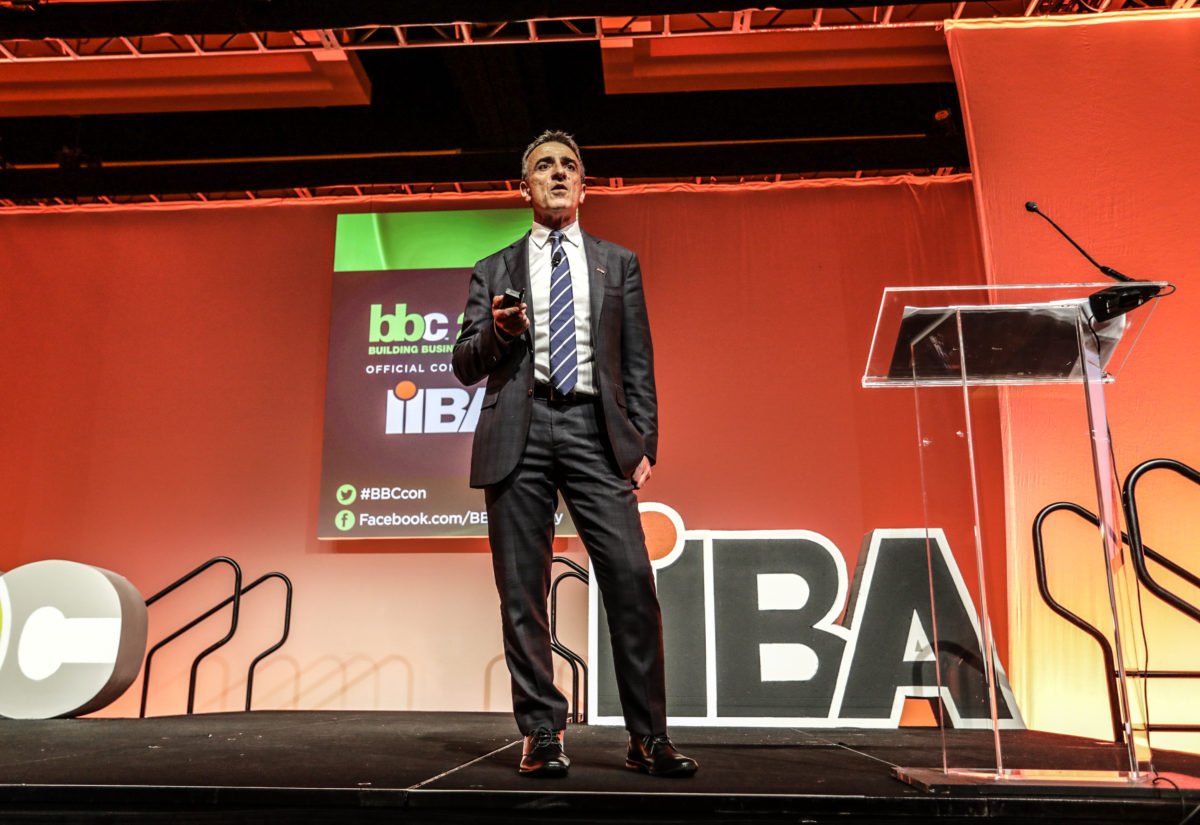
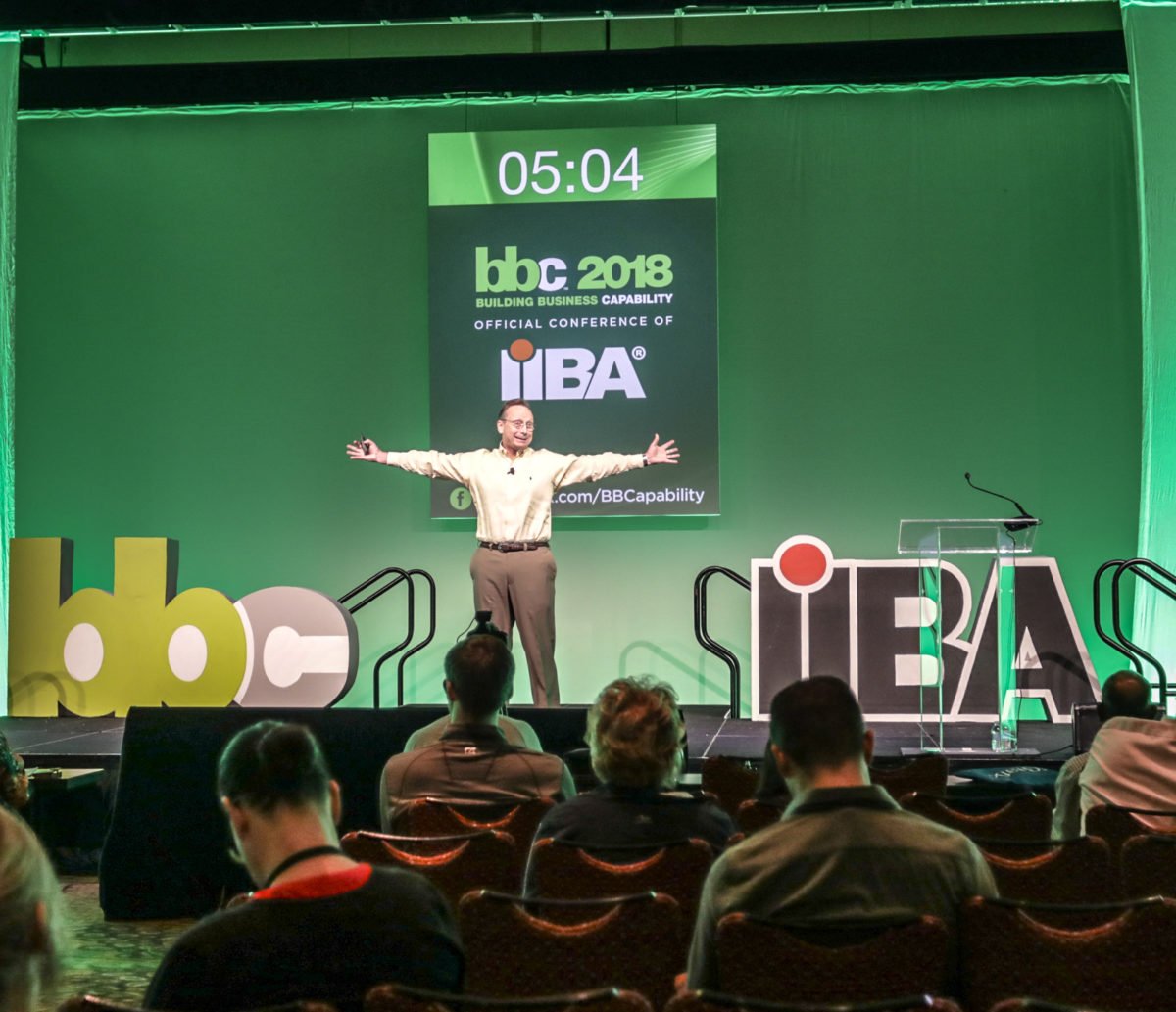
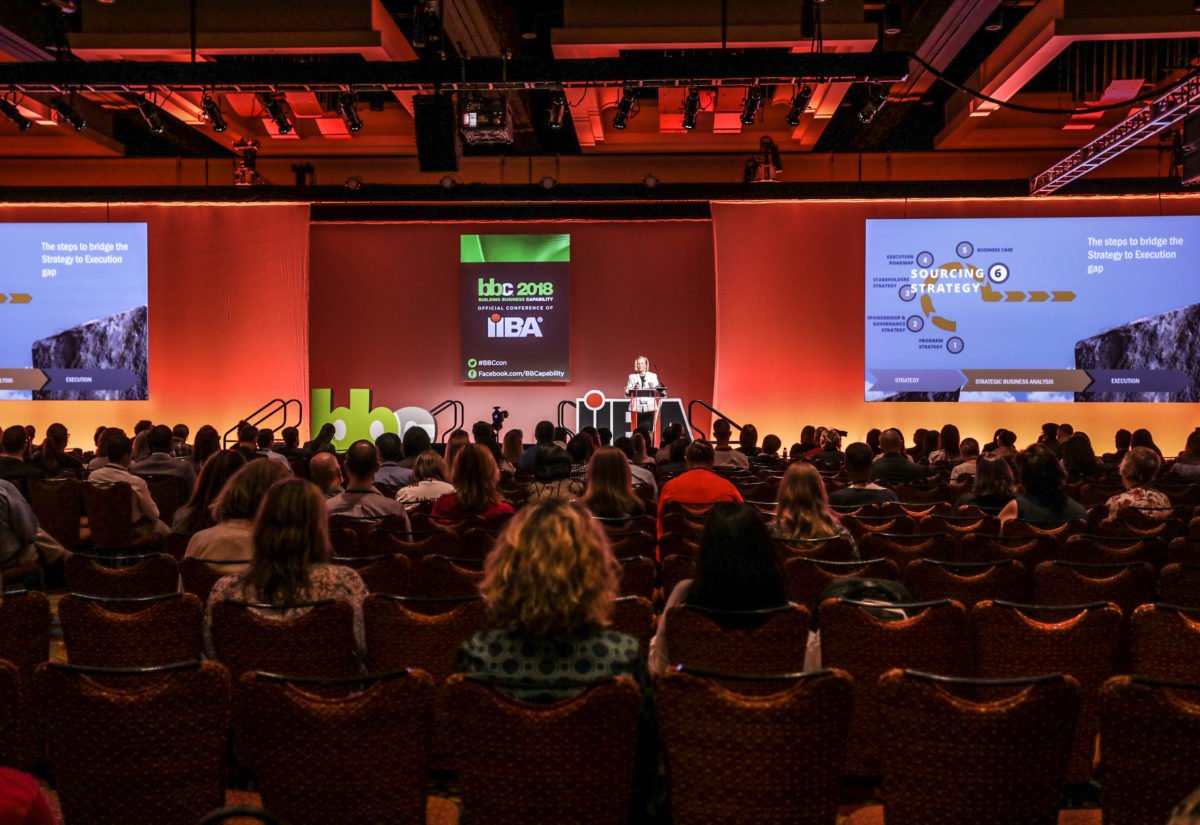
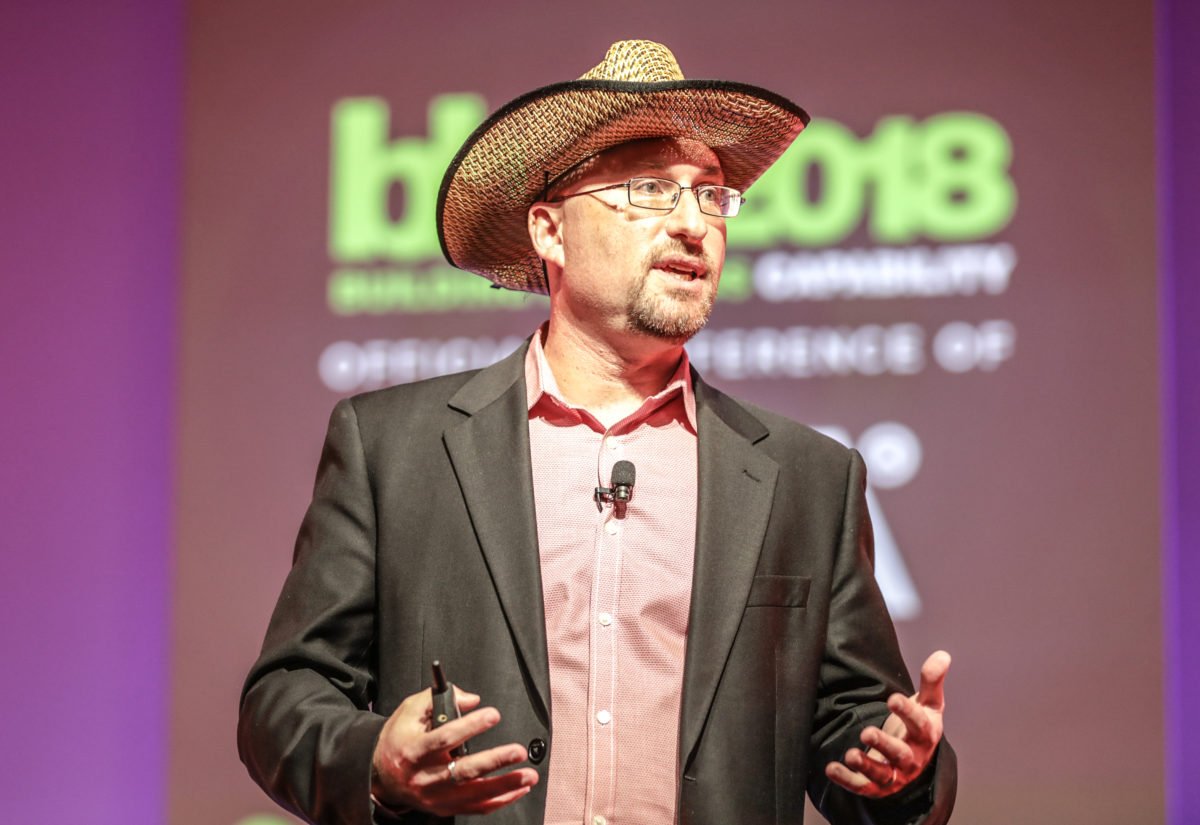
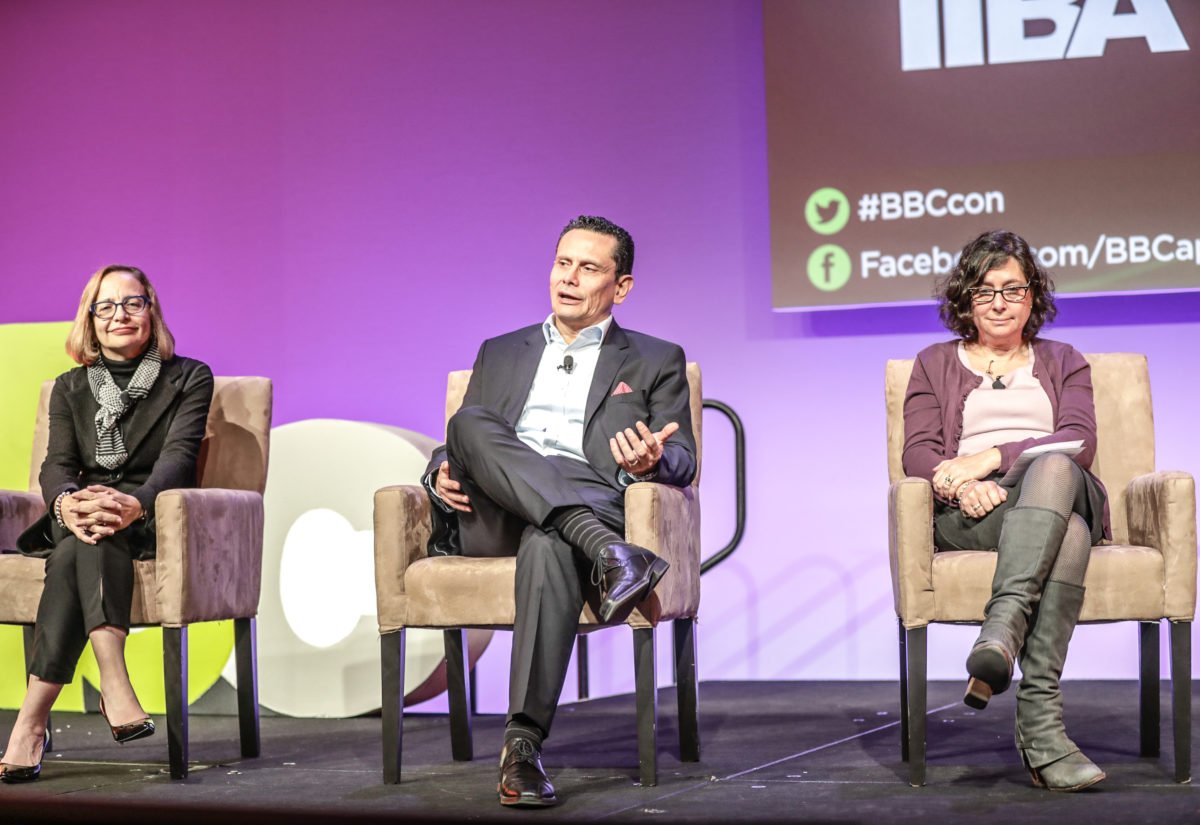
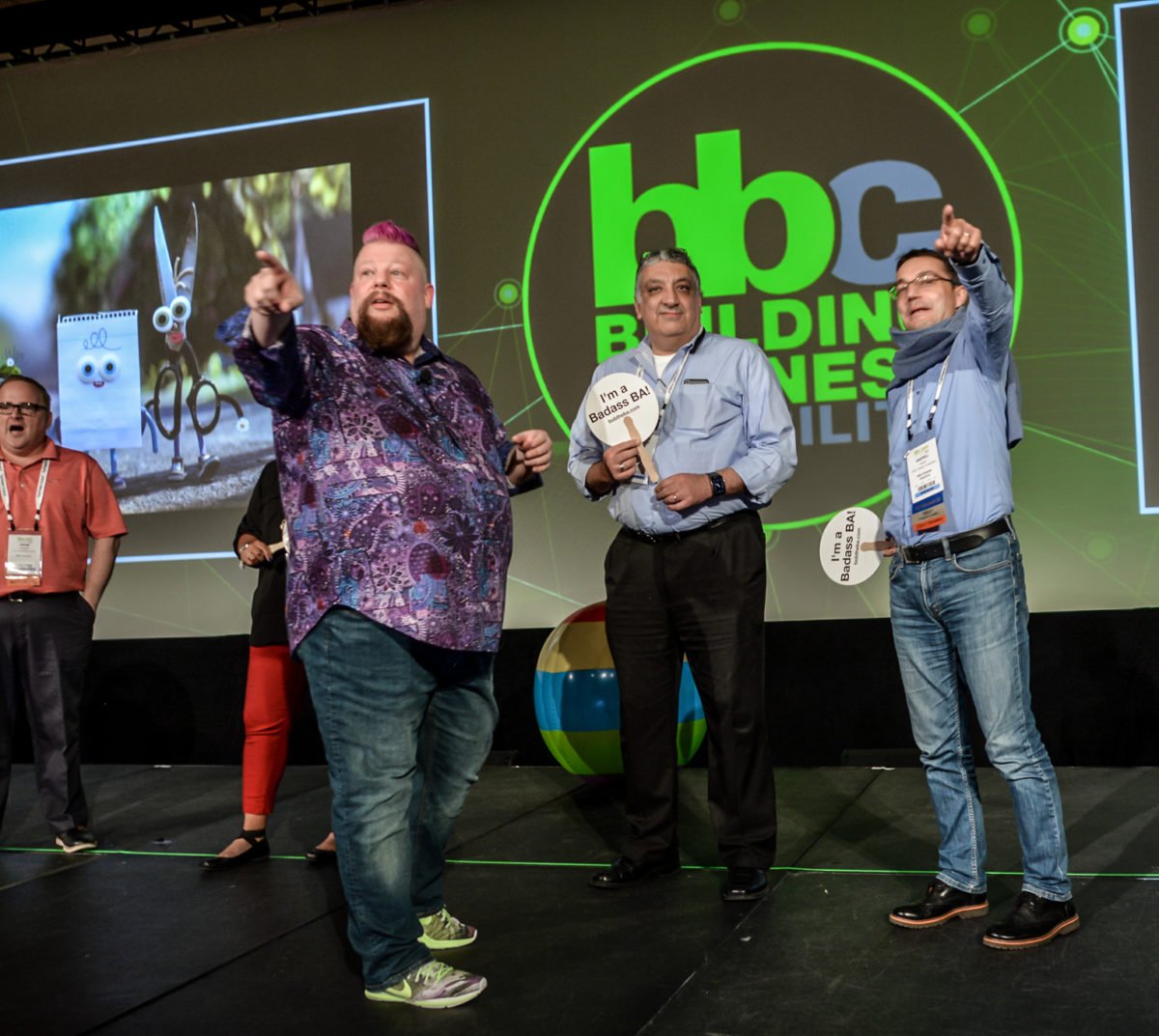
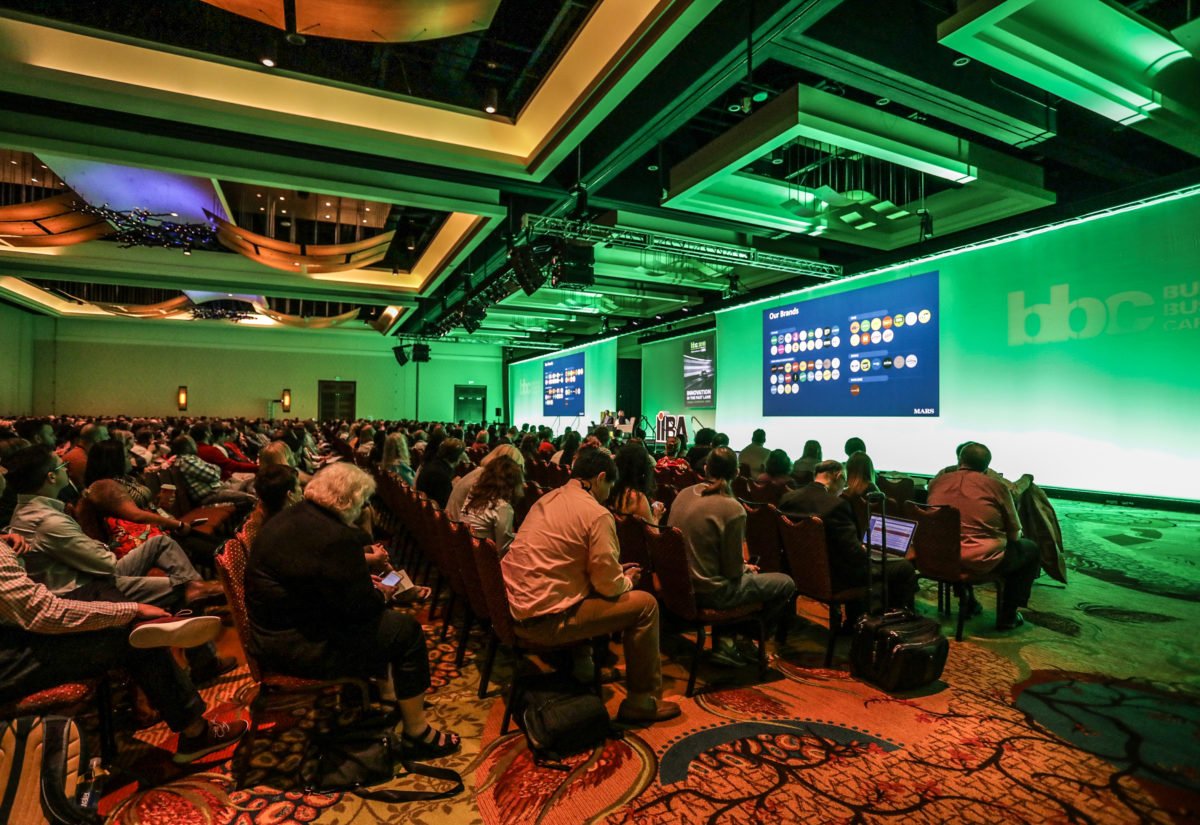
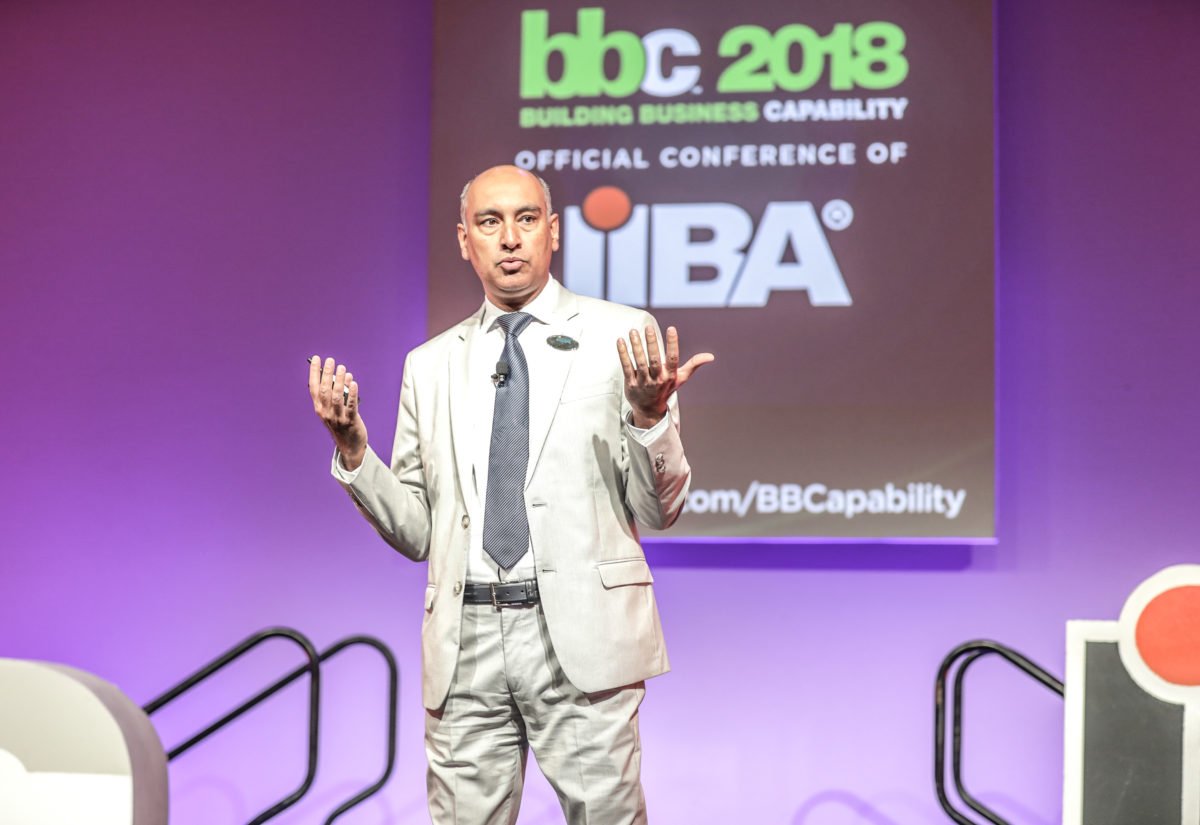
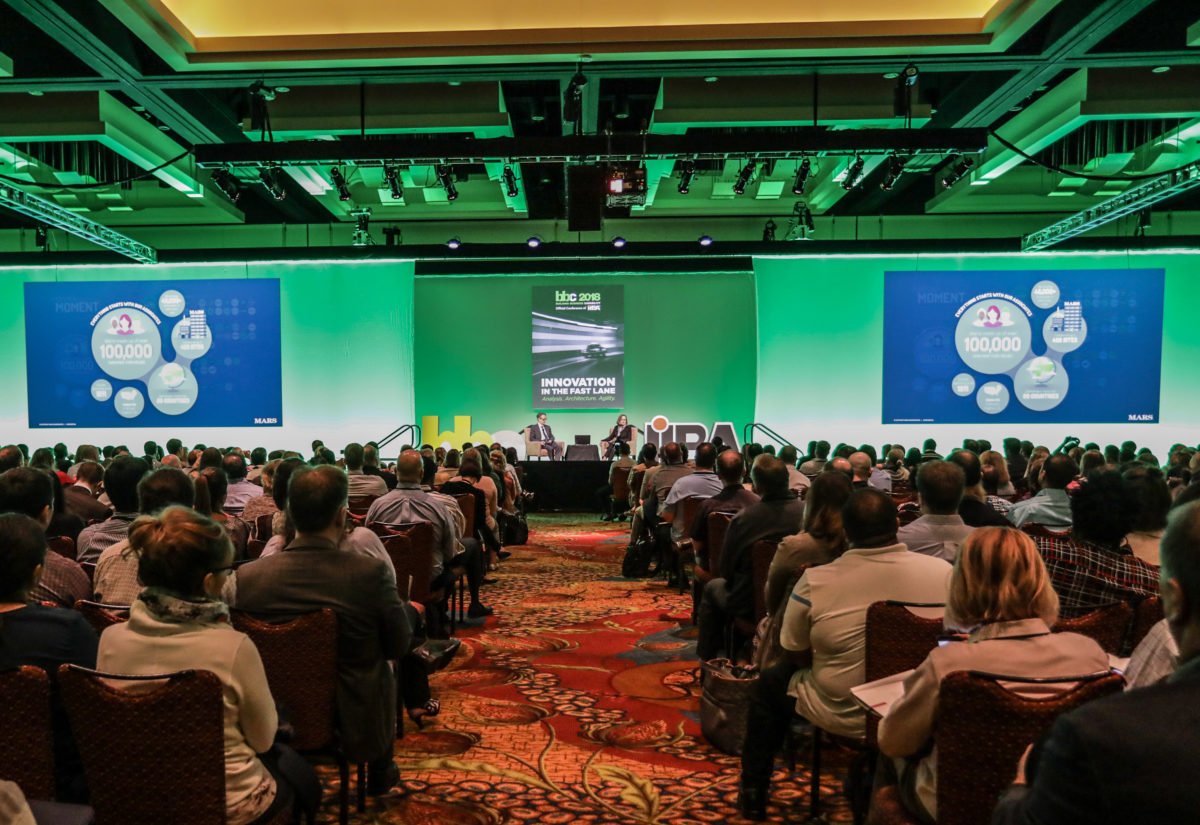
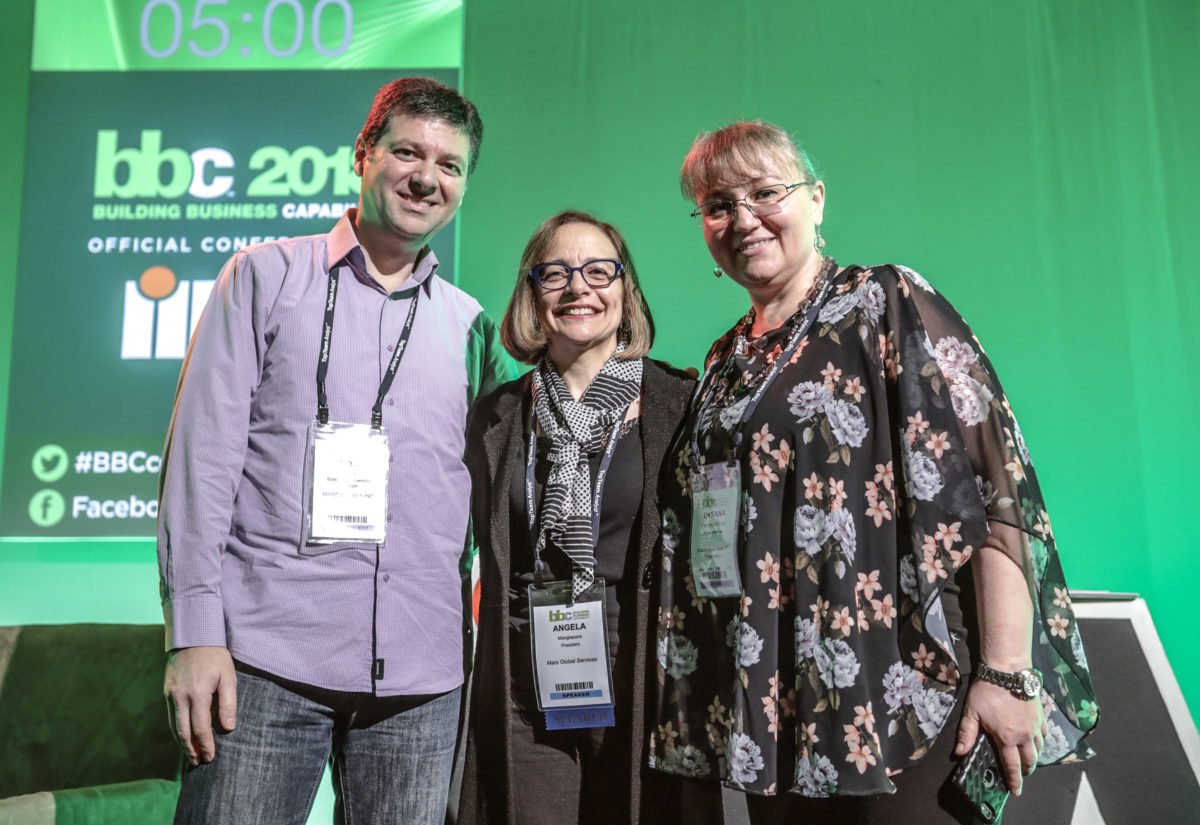
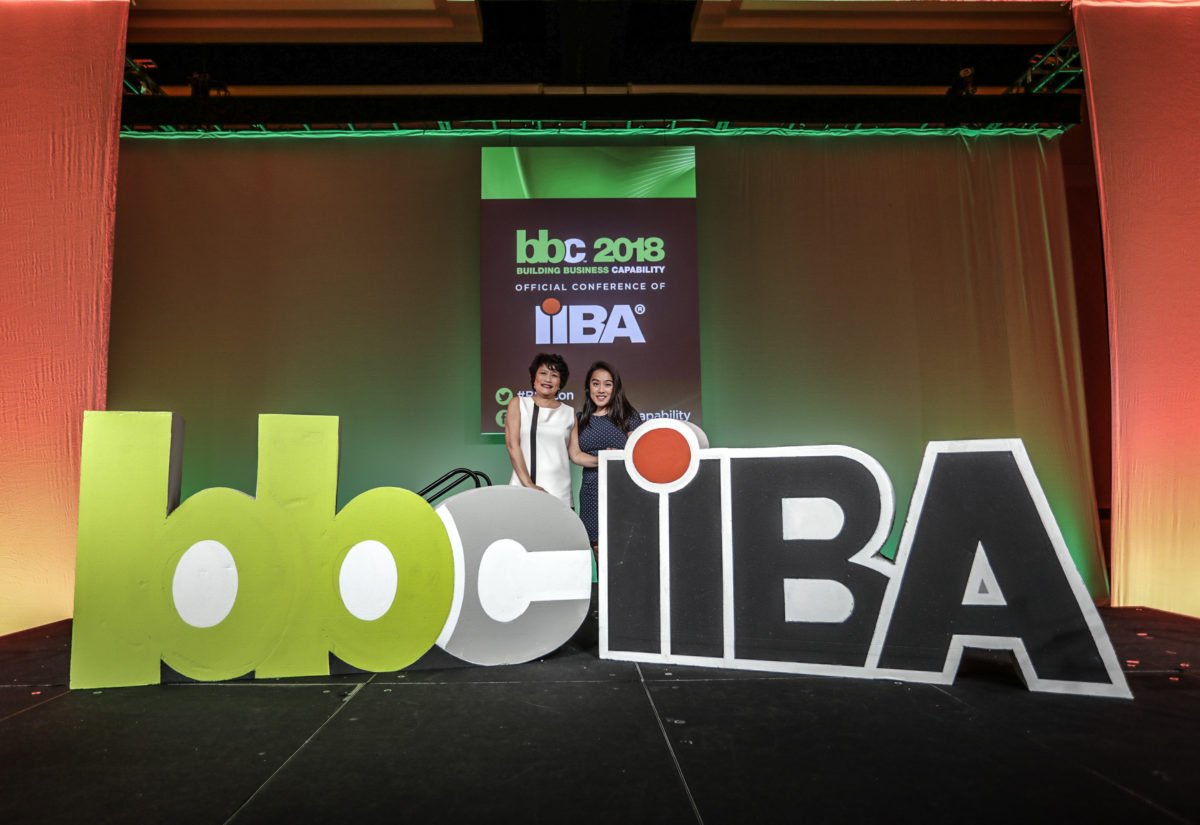
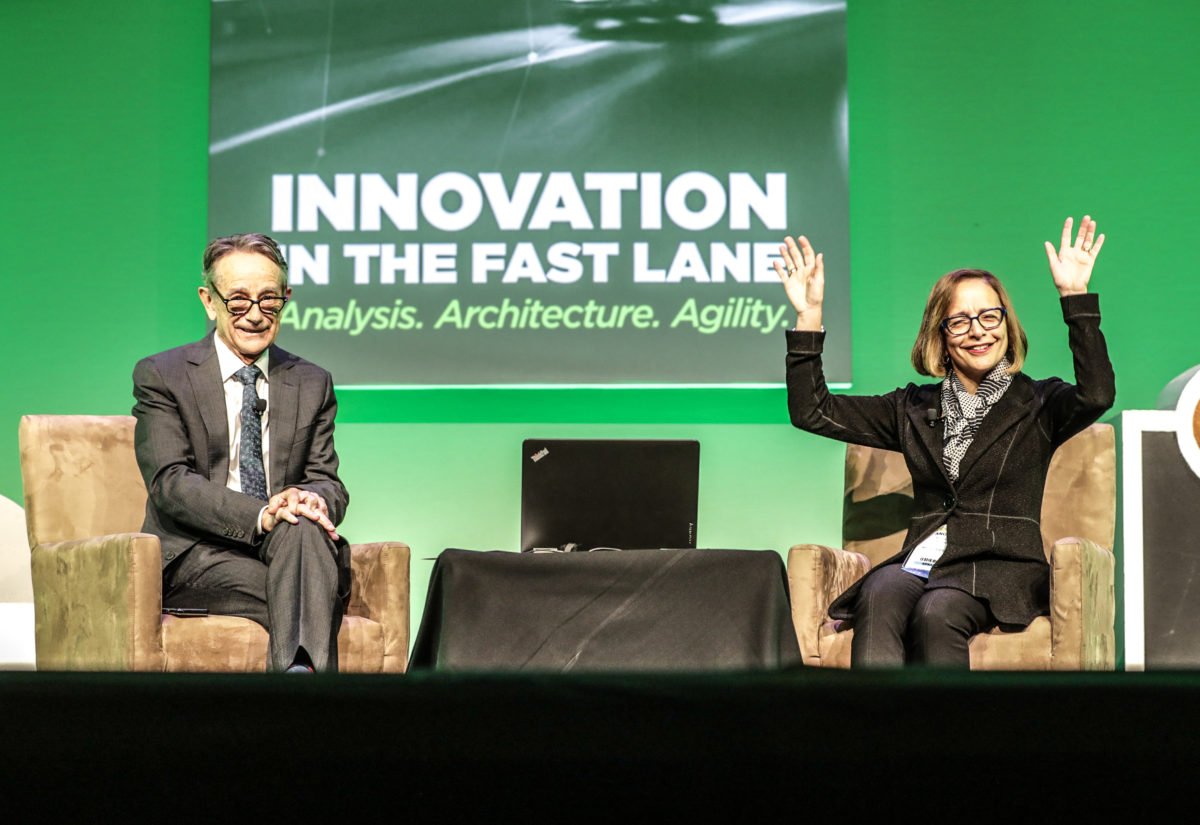
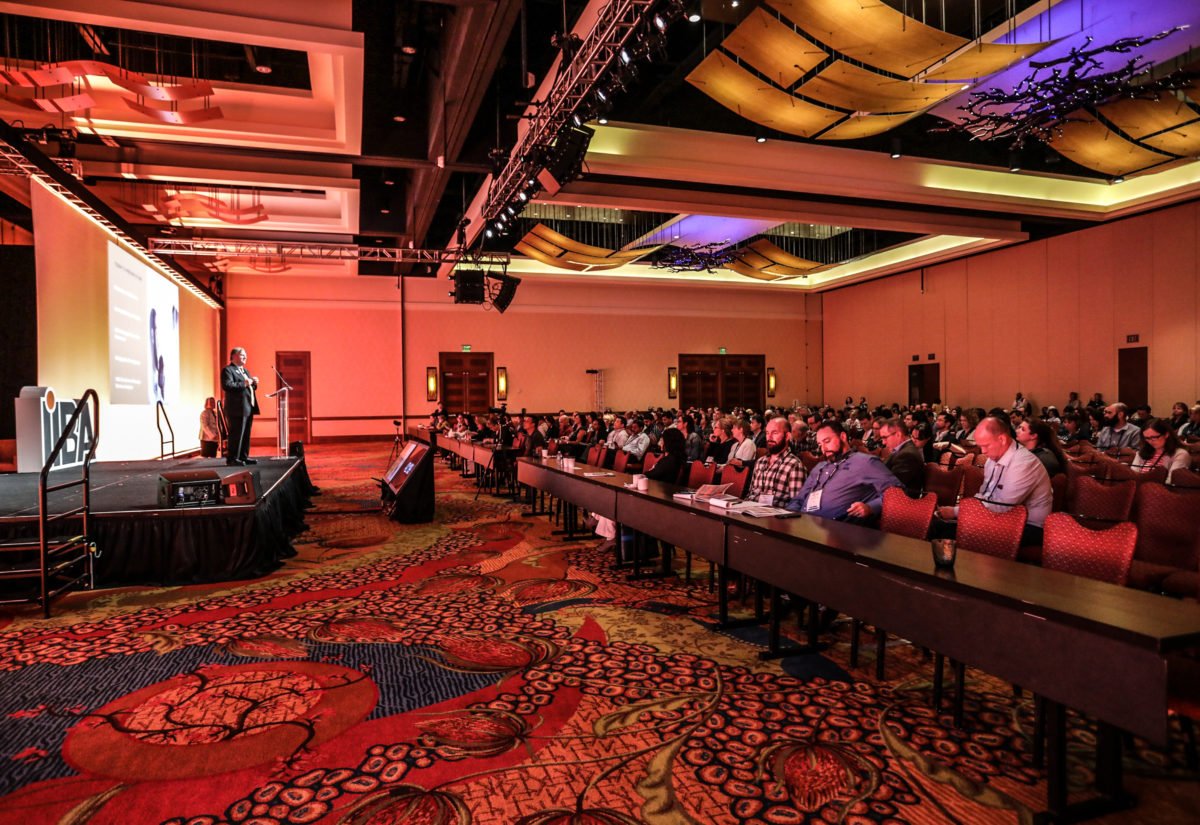
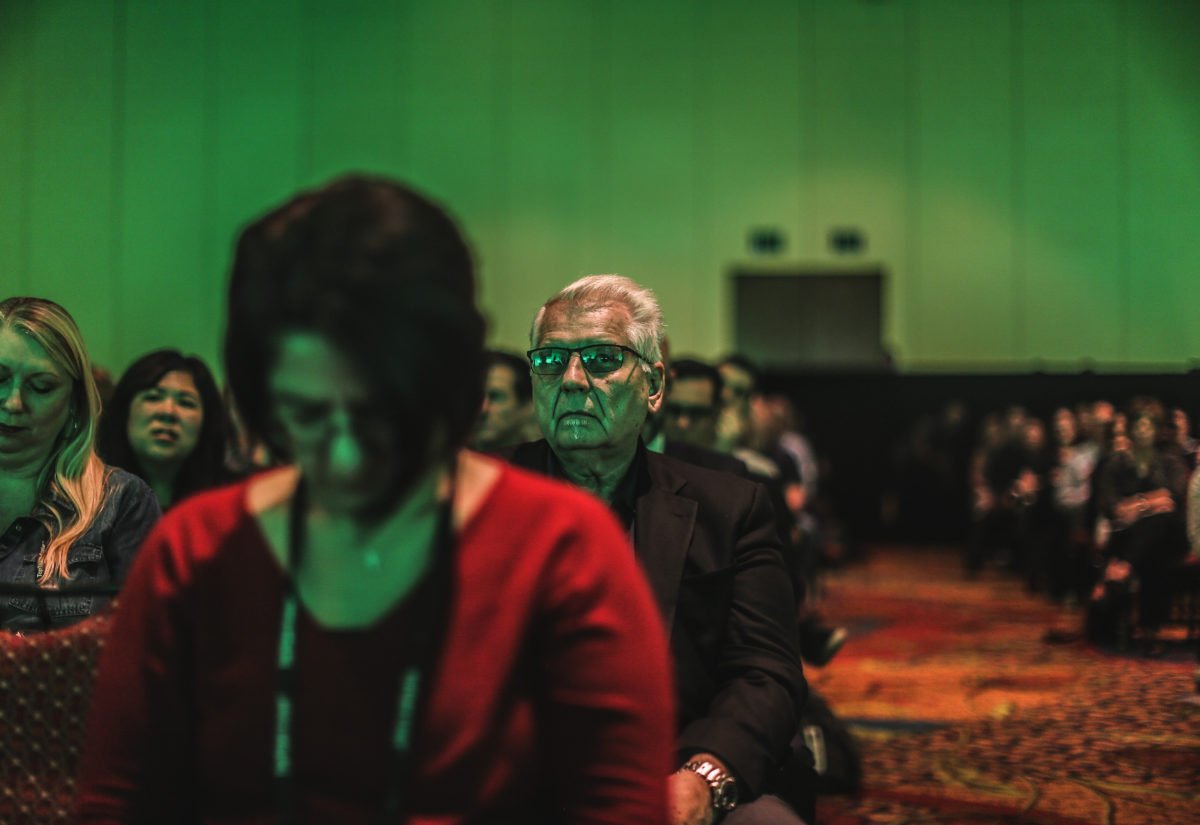
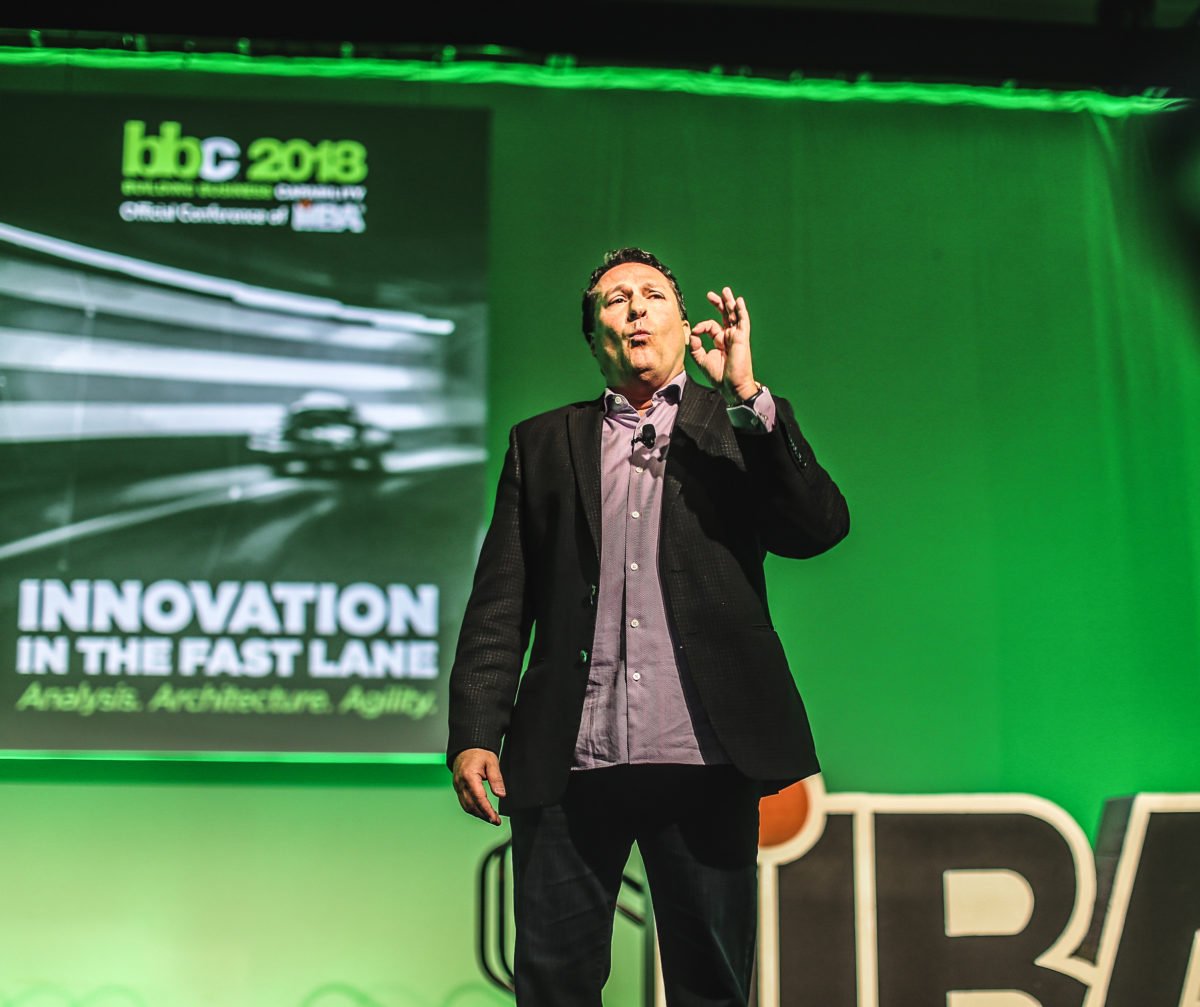
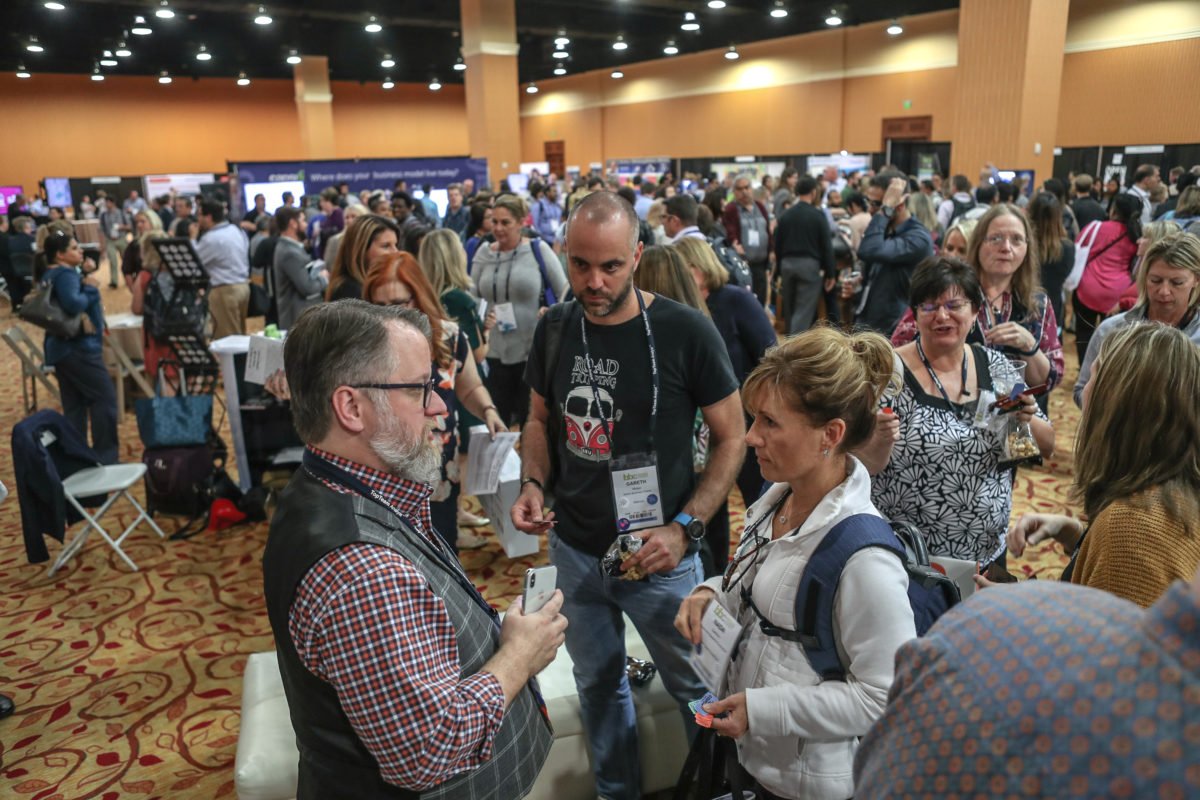
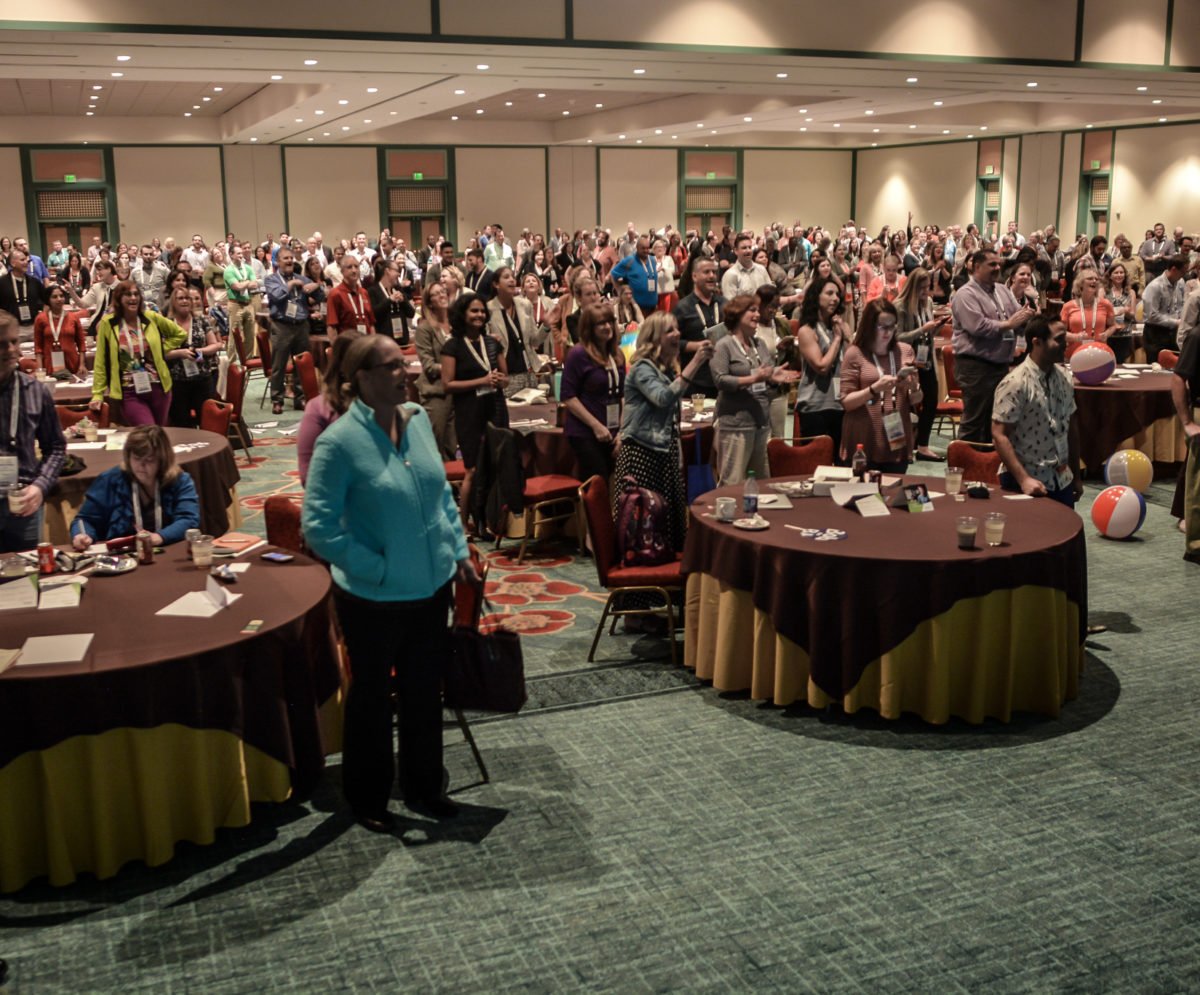
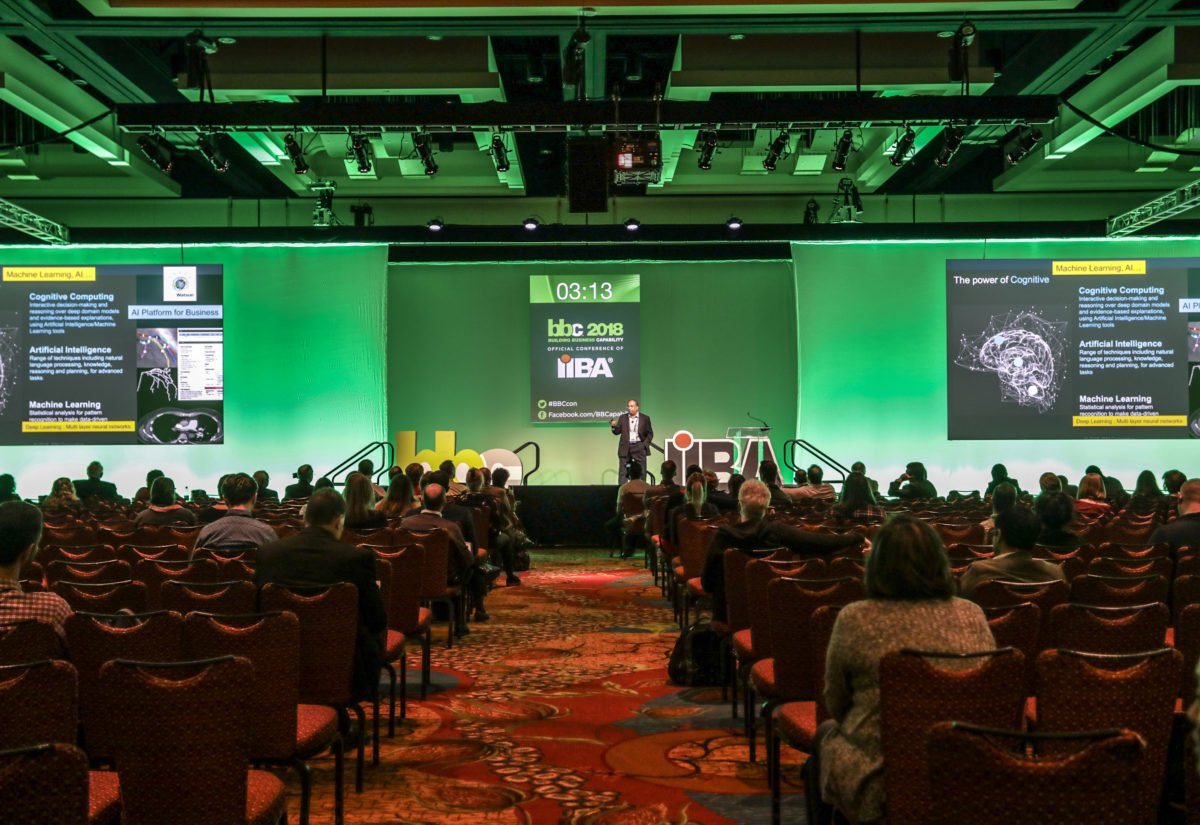
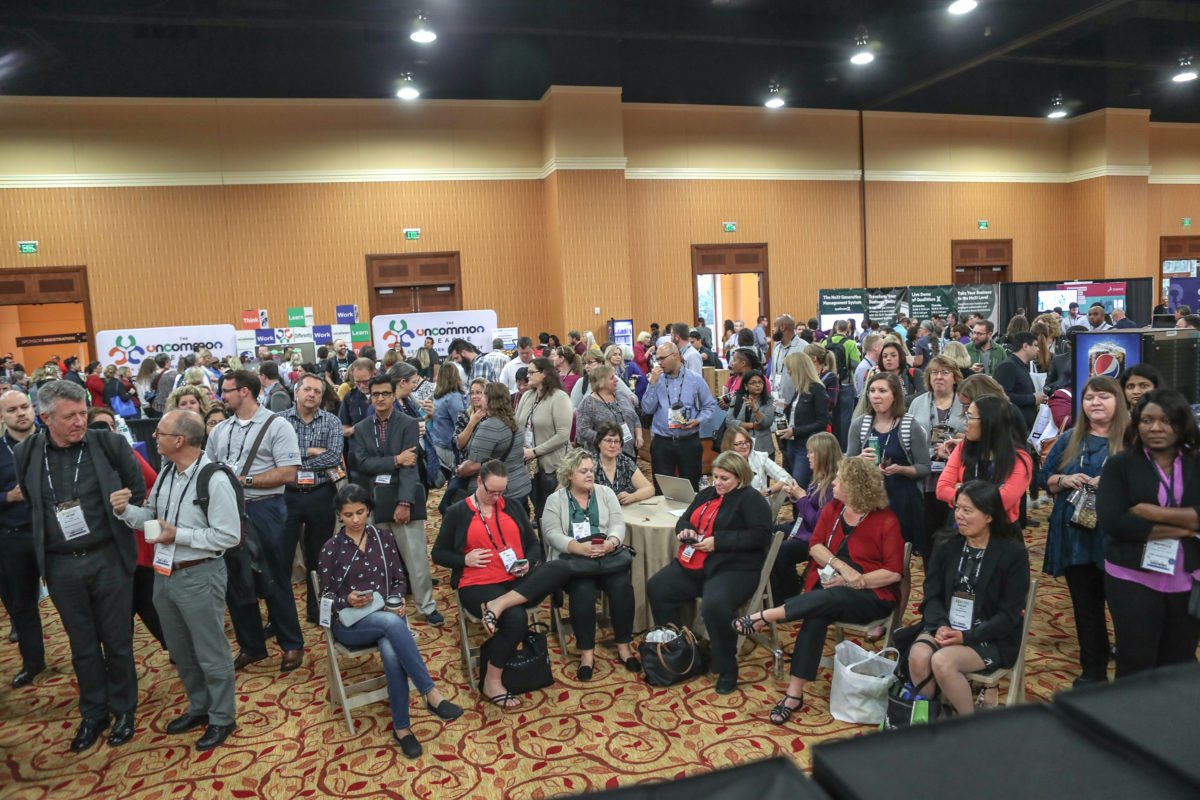
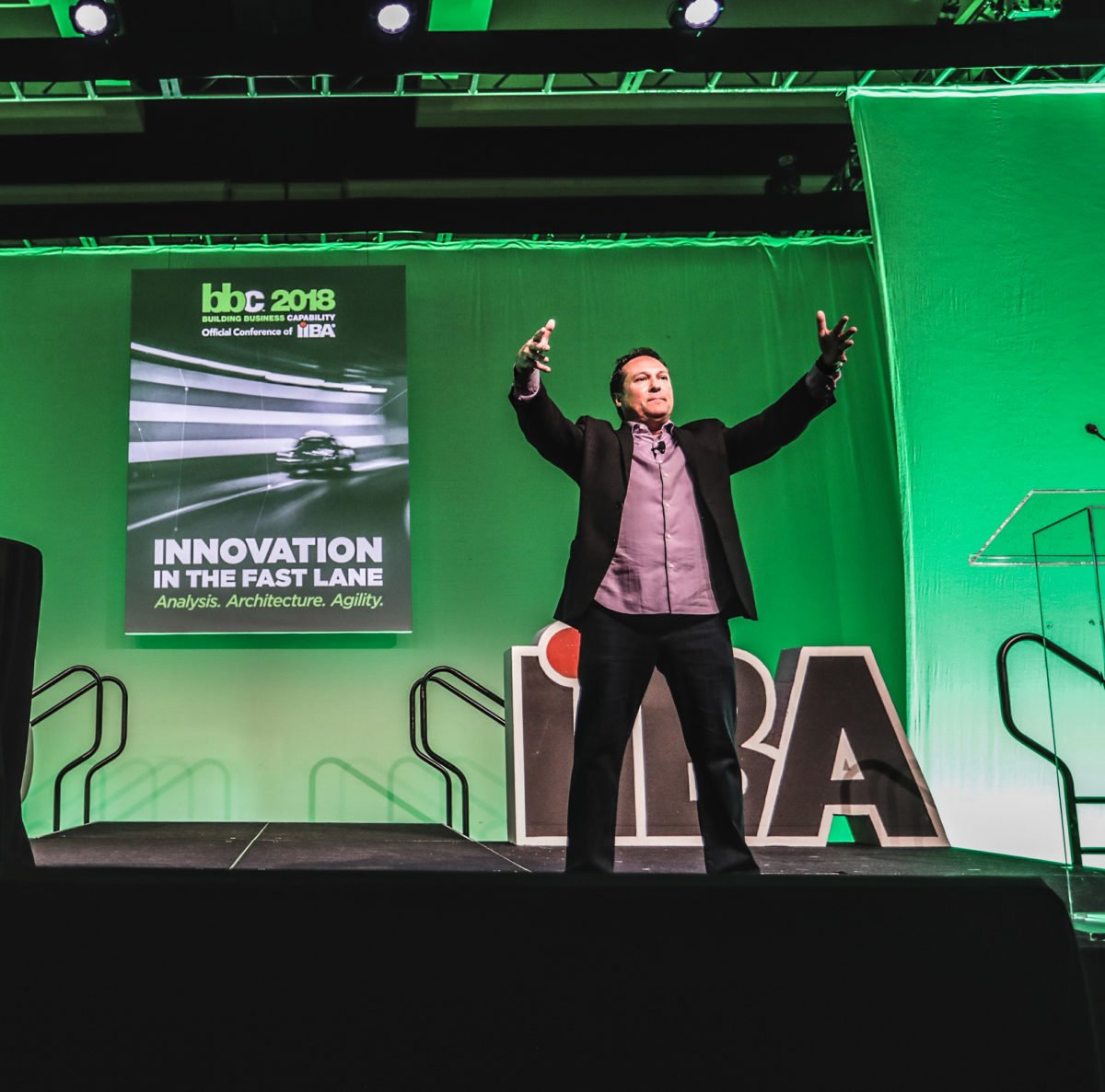
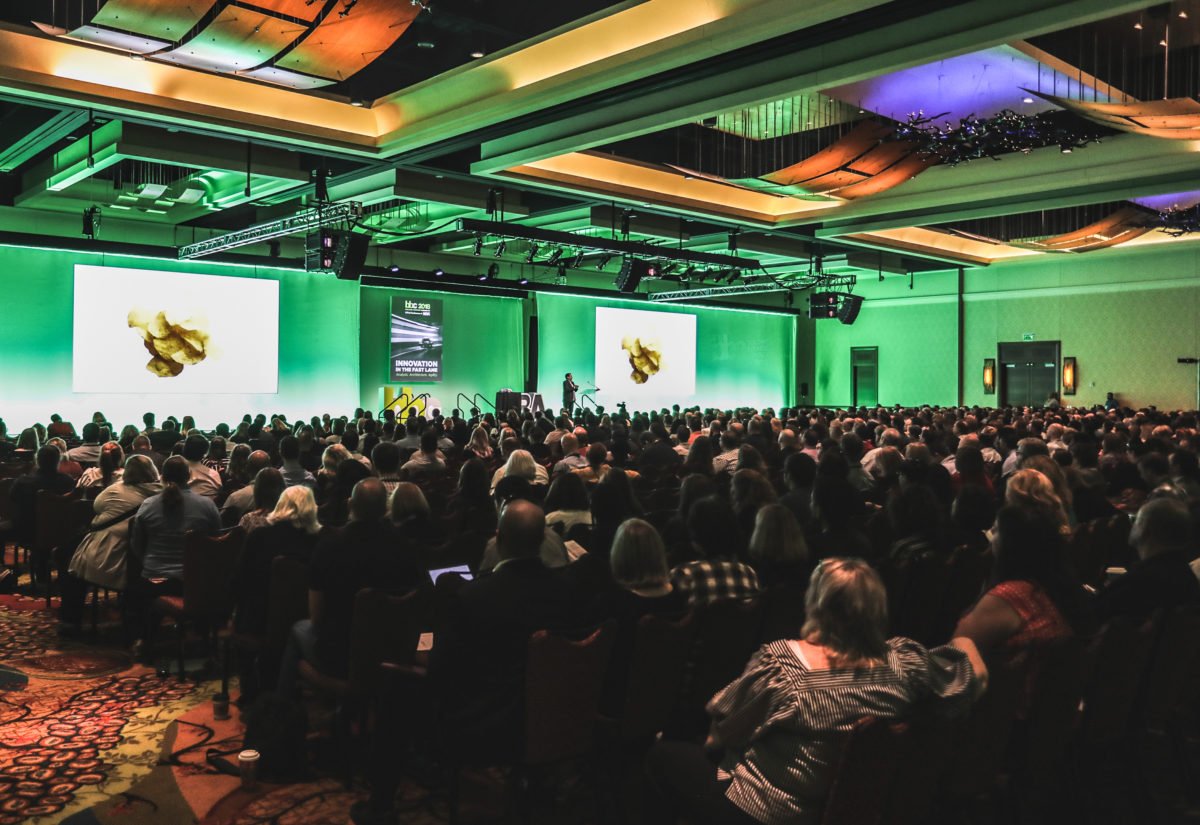
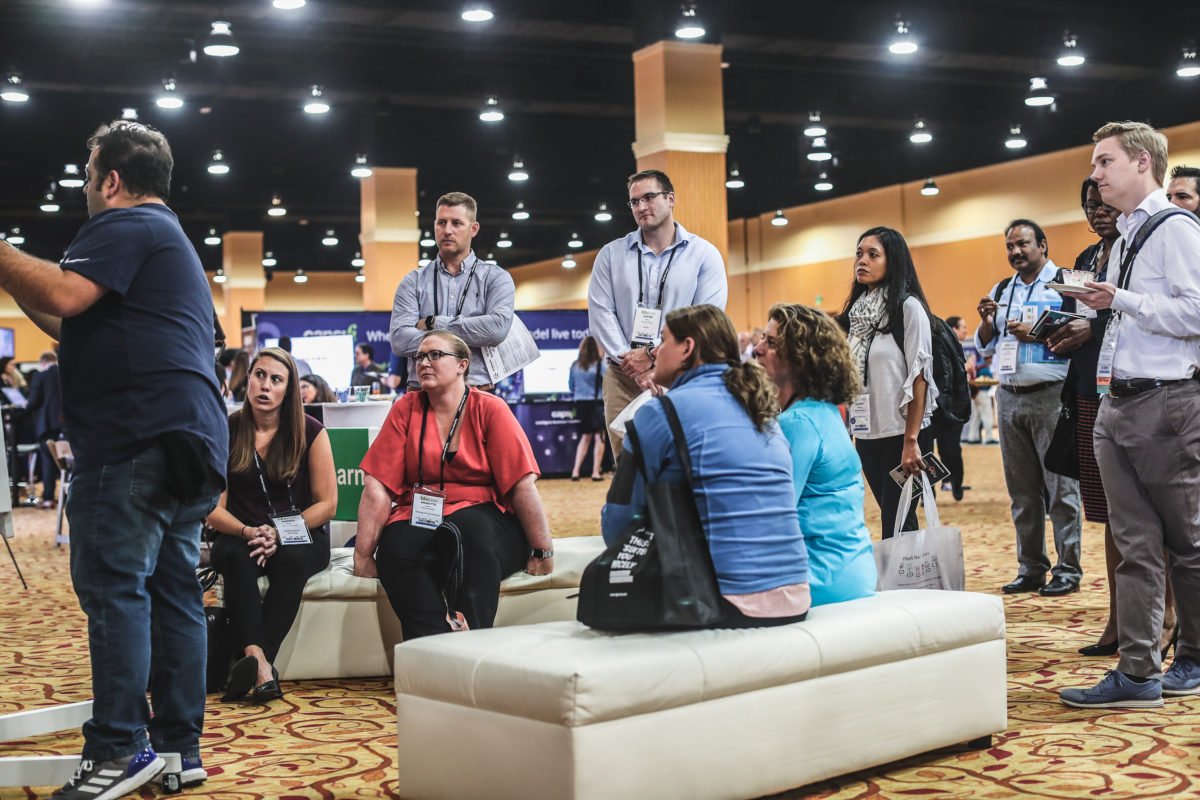
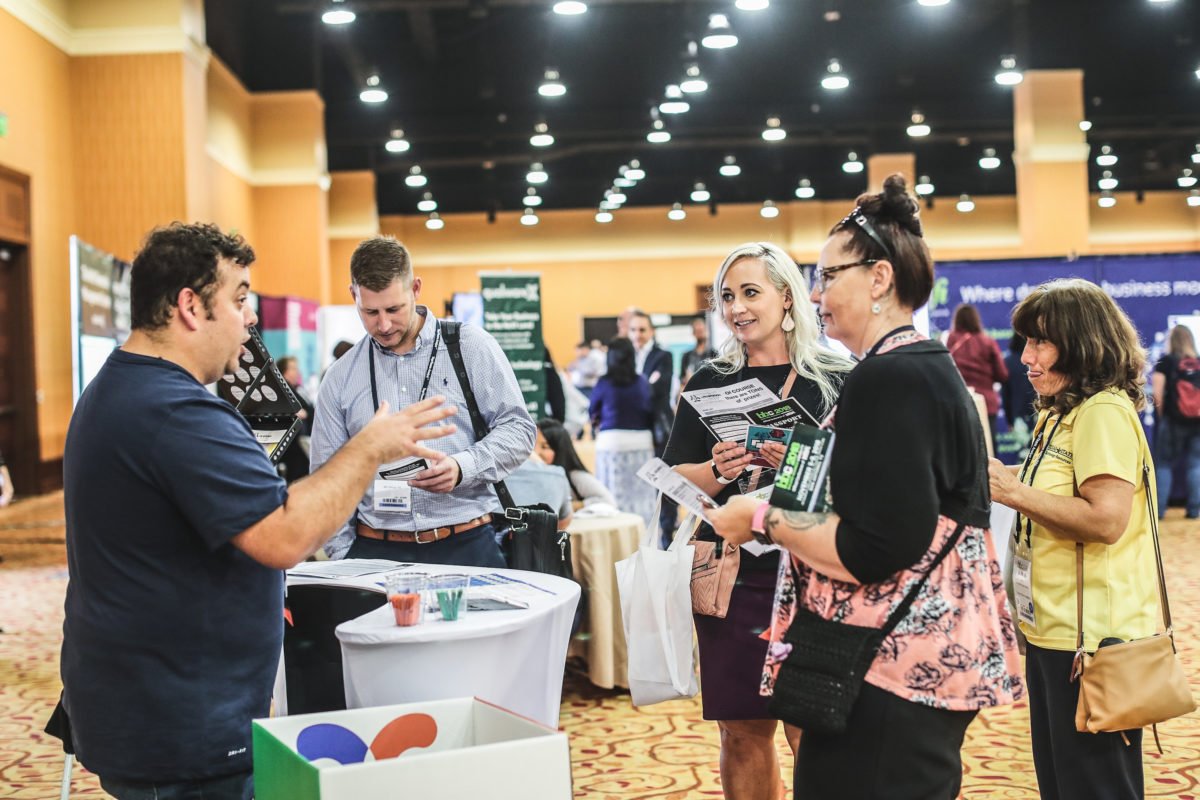
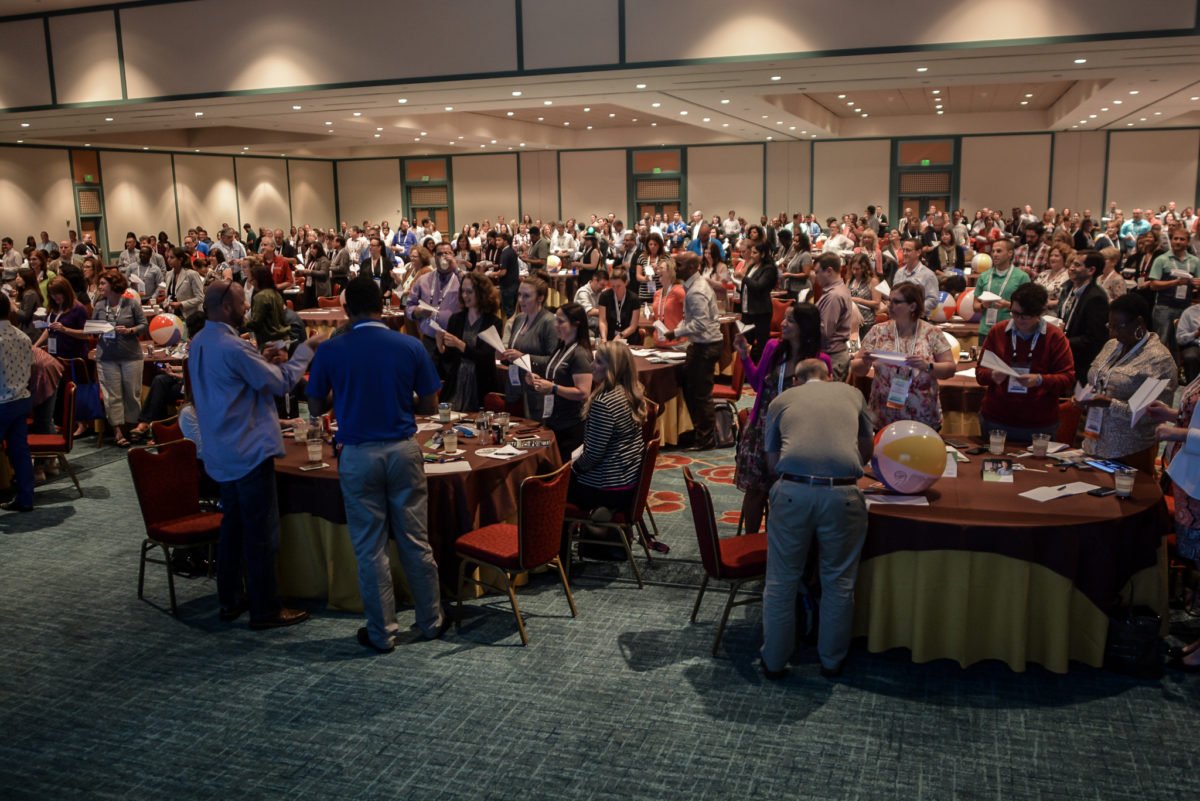
Some impressions
from previous editions




Testimonials
What visitors say about bbc
Featured Tutorials

Speakers:
Roger Burlton, Process Renewal Group Speakers:
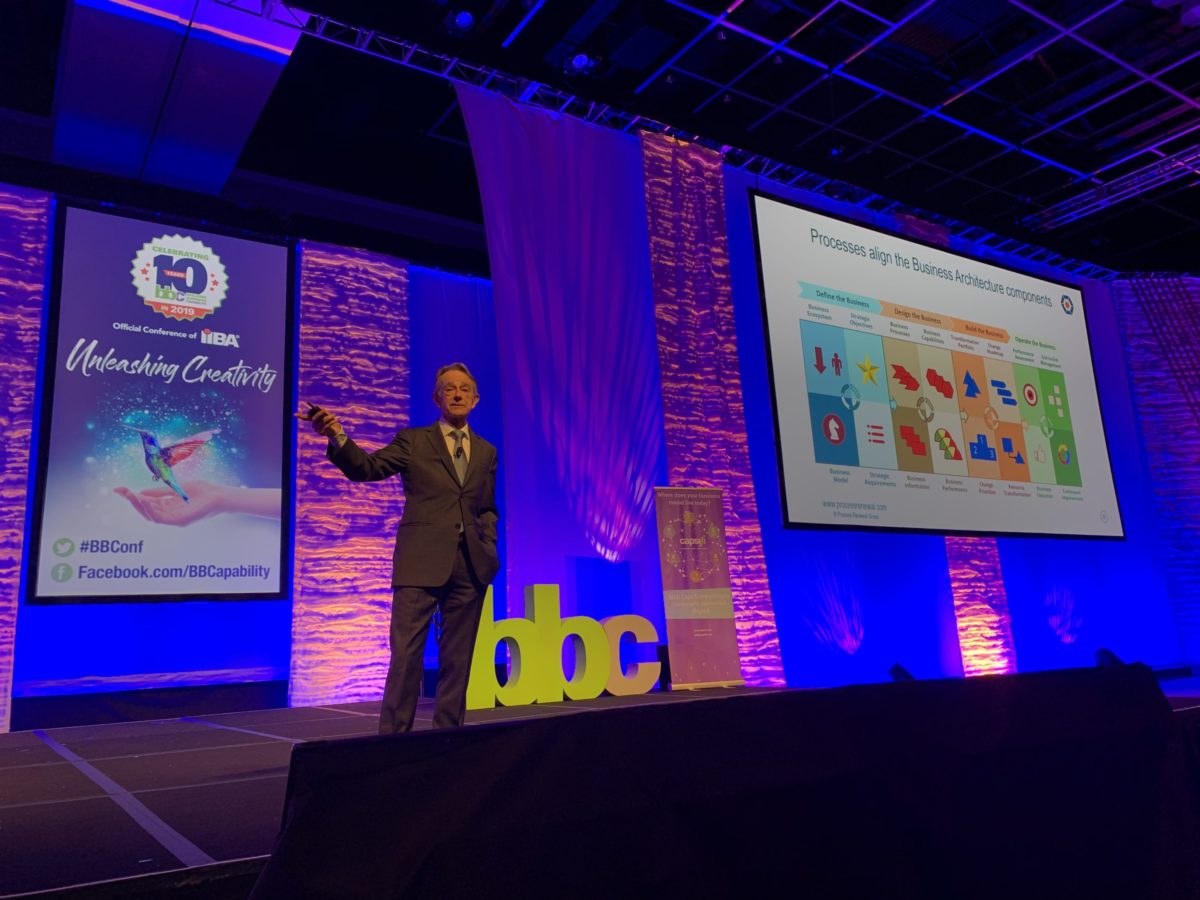
The Core Concepts of Business Architecture
Date:
Monday, April 15, 2024
Time:
9:00 am
Room:
Grand Caribbean 8-10
Summary:
Business Architecture provides a strong foundation for business-wide transformation, digitization and optimization and is the basis for having an agile business. Given the inherent complexities, making the right choices in what to change is not simple. Avoiding duplication and sub-optimization means that all of the moving parts must be classified, well understood and inter-connected before change can confidently begin. Business Architecture subject areas are numerous. Processes and capabilities and other important domains are complex enough. Being able to find the interconnections among them is even more so. A well-formed Business Architecture can help untangle the confusion and deliver inherently adaptable solutions.
This session will introduce some of the critical elements needed:
- Stakeholder Value Orientation
- Business Concepts / Information models
- Business Processes
- Business Capabilities
- Business Measurement
- Change Prioritization
- Process / Capability Alignment

Speakers:
Maria Zenina, Z9Works Inc. Speakers:
Strategic Planning with an Edge
Date:
Monday, April 15, 2024
Time:
1:30 pm
Room:
Grand Caribbean 1-2
Summary:
This interactive hands-on tutorial will allow participants to experience a strategic planning approach to develop a roadmap for an imaginary corporation. The methodology will demonstrate that in order to solve a business problem, many disciplines and techniques need to come together to create a cohesive story. Roll up your sleeves and join me on a journey to enable strategy through analysis, ideation and prioritization steps leveraging Business Architecture, Business Analysis and User Experience Design techniques. Connect all the pieces together through open-source enterprise design graphical language EDGY to create a compelling and well-rounded business cases for the recommended plan of action.

Speakers:
Terry Roach, Capsifi Speakers:
Executing Capability-Based Business Transformation Initiatives
Date:
Monday, April 15, 2024
Time:
9:00 am
Room:
Oceana Grand 8-10
Summary:
Effective business transformation is not about transforming, but rather about building the capacity to continuously transform. Organisations need to develop the unique cognitive muscle to be able to pivot quickly, ensuring that business operations are continuously aligned with shifting priorities.
Capability-based planning is an strategic transformation methodology that leverages a comprehensive perspective of the business operating model, dynamic maturity assessments, and prioritised, value-aligned business drivers to enable continuous innovation.
In this pragmatic, hands-on workshop, participants will design a strategically aligned scope of work for a fictional business innovation initiative. Together we will develop a dynamic Business Capability model, an interactive Value-Stream and a Delivery Roadmap for a digital transformation as enduring digital assets they can take back to apply on their own business.

Speakers:
Kathy Claycomb, B2T Training Speakers:
Let Your Data Tell The Story!
Date:
Tuesday, April 16, 2024
Time:
9:00 am
Room:
Grand Caribbean 3-5
Summary:
You’ve been asked to “pull together some data” to help your organization make a decision. Where do you start? How do you present your findings in a compelling, persuasive way?
Attendees will be invited to participate in hands-on activities where they will:
· Discuss the importance of data and the various forms of data analysis
· Practice five steps to create a compelling visualization of data
o Understand the context
o Choose the visual display
o Apply key design principles
o Avoid misleading visualizations
o Create and deliver a “data story”
Small groups will have the opportunity to create a data story using a case study. Groups can volunteer to pitch their recommendation in a “Shark Tank” style format at the end of the session. Feedback and improvement tips will be shared with the volunteers.
So…will your “investors” be in or out?
Participants may choose to use a laptop with Excel and Powerpoint for their presentations, but it is not required.

Speakers:
Kent McDonald, KBPMedia Speakers:
How to Survive and Thrive in a Digital Transformation
Date:
Tuesday, April 16, 2024
Time:
9:00 am
Room:
Grand Caribbean 8-10
Summary:
Many organizations use digital transformation as a strategy to succeed in today’s complex environment. People skilled in business analysis can play a key role in applying digital technologies to create and improve business processes.
Some organizations don’t value effective business analysis in digital transformation, while others do.
To ignite your potential, you can use your business analysis skills to help any digital transformation succeed.
Attend this workshop to learn how business analysis contributes to successful digital transformations. You’ll also find out how to tell if you’re in a digital transformation in name only and find out how you can make the best of that situation.
You’ll also learn about techniques that are helpful in both circumstances.
- Discover the problem you’re trying to solve with story-based interviews
- Make informed decisions guided by decision filters and a well-formed problem statement
- Help your team deliver an effective solution with a structured, collaborative refinement process
- Understand context to properly select and adjust your approach
- Collaborate effectively to get the most out of your team.
Join this workshop to practice these techniques and gain access to helpful resources. The knowledge you gain will make you a crucial part of your organization’s digital transformation.

Speakers:
Gladys S.W. Lam, Business Rule Solutions Speakers:
Engineering the Business Experience: How Processes, Rules and Requirements Can All Work Together
Date:
Tuesday, April 16, 2024
Time:
9:00 am
Room:
Grand Caribbean 1-2
Summary:
This workshop illustrates hands-on, best-of-breed analysis techniques that can work together seamlessly to produce superior business solutions. Watch how a process model transforms when business rules and decisions are added. Work through a case study iteratively to demonstrate how business rules, decisions and vocabulary can dramatically improve your business requirements.
Do you have data quality problems? This workshop shows how business concepts and business rules can help you get out of the perpetual problem of creating complex logic to compensate for your data issues. Make your models come to life. Prepare your designers to develop intelligent screen designs, work out smart usage scenarios, and create test scripts. Enable your business to achieve true business agility, pinpoint customization, and world-class quality in customer service.
Learn How To …
- Simplify business process models by an order of magnitude or more.
- Be a true partner in business innovation.
- Use a Why Button to put business knowledge at workers’ fingertips.
- Understand how business vocabulary and business rules can fix data quality problems
The Venue 2024
Loews Sapphire Falls Resort at Universal Orlando
Building Business Capability 2024 will be hosted at Loews Sapphire Falls Resort at Universal Orlando from Monday, April 15 – Friday, April 19, 2024.
Have Questions?
Probably you find the answer(s) below!
-
When and where does the conference take place?
Building Business Capability 2024 will take place live at Loews Sapphire Falls Resort at Universal Orlando from from Monday-Friday, April 15-19, 2024. A block of bedrooms has been reserved at the hotel.
-
Does BBC offer Professional Development Units (PDU’s)/Continuing Development Units (CDU’s) from IIBA?
Yes, all education is approved for up to 28 CDU’s toward recertification (though not for PDU’s for certification). Contact the IIBA to get more details: [email protected]
-
What topics does the conference cover?
The agenda is extensive! So to enable you to navigate according to your interests and current challenges we’ve grouped the sessions into Tracks and Trails.
The Tracks include:- Building People Capability
- Building Product Capability
- Building Data Capability
- Building Knowledge Capability
- Foundational
- Practitioners Chat
- High Impact Techniques
The key concepts of Business Analysis, Business Architecture, Business Design, Business Leadership, and Everyday AI run as Trails across all the Tracks.
Sessions at BBC drill into the practical deployment of a wealth of concepts vital to competitiveness for modern organizations including:
- Alignment
- Burn Out
- Business Acumen
- Business Agility
- Business Capabilities
- Business Metrics & KPIs
- Business Metrics design
- Business Process Architecture
- Business Vocabulary
- Center of Excellence
- Change management
- Chatbots
- Collaboration
- Competition
- Compliance
- Concept Models
- Content Management
- Conversations
- Culture Change
- Customer Experience
- Data Architecture
- Data Culture
- Data Design
- Data lineage
- Data Literacy
- Data Quality
- Data-Driven Decision Making
- Decision Models
- Design Thinking
- Digital Journeys
- Digital Transformation
- Discoverability
- Enterprise Design
- Facilitation
- Fostering Innovation
- Glossaries
- Governance
- Impact analysis
- Incentives
- Knowledge Management
- Managing Churn
- Motivation
- MVPs
- Organization design
- Policies & Rules
- Portfolio Prioritization
- Practical Use of Ontologies
- Process design
- Product Design
- Product Ownership
- Product performance
- Remote & Hybrid Work
- Team leadership
- Team Skillsv
- Tech Debt
- Traceability
- Up-Skilling
- UX Design
- Value Chains
- Value Streams
So whether you are a Business Analyst, Business Architect, Process, Product or Design Manager, or Data Professional you’ll find insight and inspiration to take back to your desk.
-
Are discounted tickets available?
IIBA Members receive a discount on the ticket price. Full details in the members’ area on the IIBA website. See details on other discounts on the registration page.
-
How do I apply to speak at BBC?
The call for speakers opens in July each year for the following year’s conference and runs until early September. You’ll find a link to it under “Speakers” on the top menu.
-
Where can I get other questions answered?
Questions about registration? See here or email: [email protected]
Questions about sponsoring/exhibiting? See here or email: [email protected]
Questions about speaking? See here.
Questions about partnering to help promote BBC? Email: [email protected]